Futures saved through pediatric surgery — Daiichi Life Myanmar delivers hope in the form of medical support
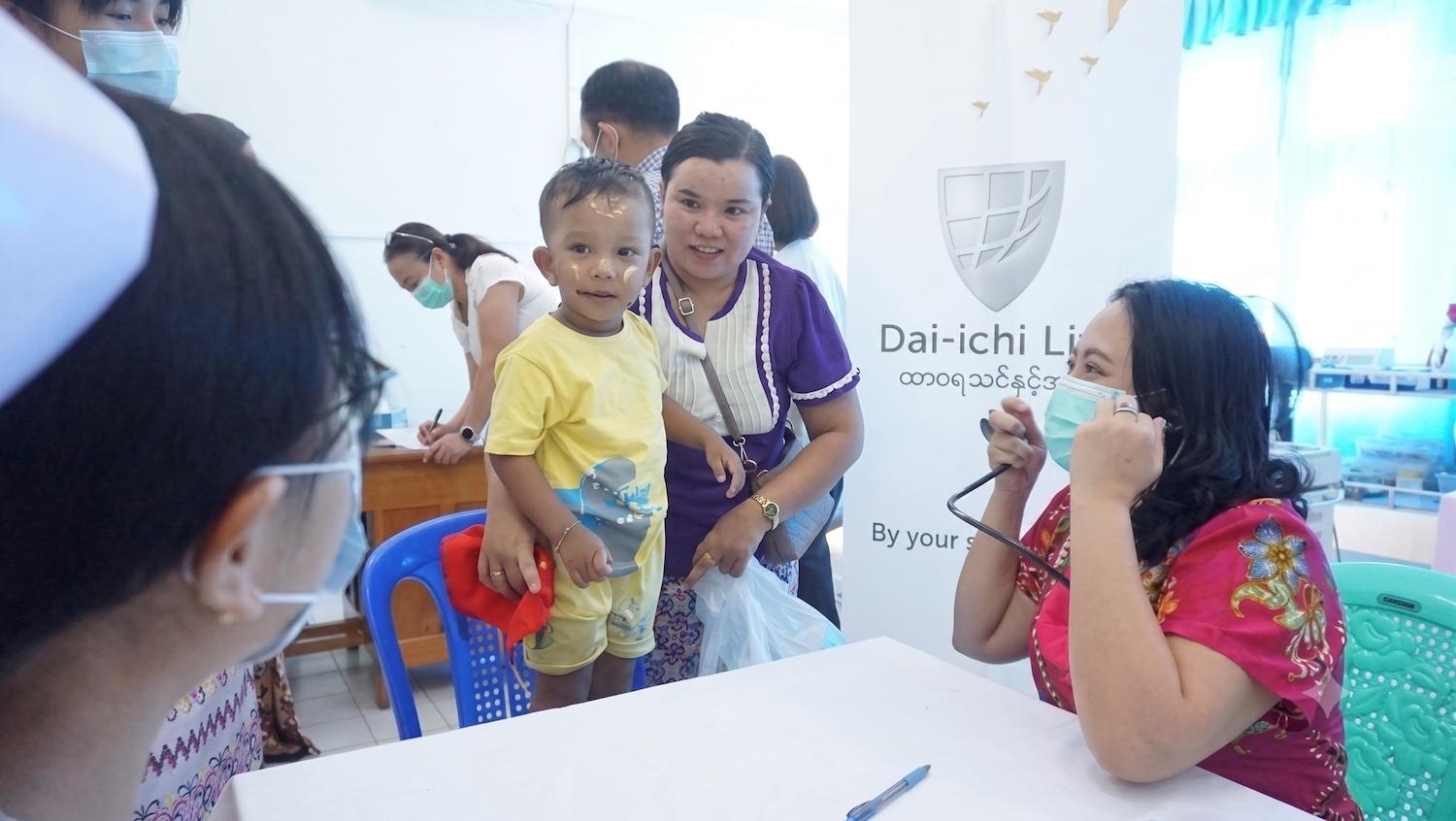
Daiichi Life Myanmar provides medical support in partnership with the international medical non-governmental organization Japan Heart, including free surgery and treatments for children who lack access to proper medical care. This stems from the company’s mission to support the health and happiness of children and families in the communities where we operate. This report details the support activities undertaken by Daiichi Life Myanmar and the challenges faced by local children.
With no access to proper medical care, children are unable to envision their future
Many children around the world still lose their lives because they cannot access medical care. In Myanmar, for example, four percent of children die before reaching the age of five—a rate 20 times higher than that of Japan. A major reason for this is the lack of a comprehensive health insurance system like in Japan, and the absence of welfare or disability support programs. This results in high out-of-pocket medical costs, making healthcare unaffordable for impoverished families. Additionally, Myanmar suffers from a severe shortage of doctors, most of whom are concentrated in urban hospitals. This leaves rural and remote areas with inadequate medical infrastructure. In regions without doctors, it is nurses and community health workers who often provide care, but their numbers are critically low—just 0.3 per 1,000 people (compared to 9 per 1,000 in Japan), creating a persistently severe situation. Furthermore, a strong tendency to prioritize traditional local therapies means many people fail to access appropriate medical care.
One of the health challenges facing Myanmar is cleft lip and palate in children. Cleft lip and palate refer to a condition where a child is born with a split in the lip, palate, or gum. In Japan, cleft lip and palate occur in approximately one in every 500 to 600 births. However, it is considered a condition where functional recovery is largely achievable through treatment. In contrast, Myanmar’s inadequate healthcare infrastructure means many children either lack access to treatment or grow up without sufficient functional recovery even after treatment. This leads to challenges in social life and health, including speech impediments, eating difficulties, and appearance complexes.
To help alleviate this situation even slightly, Daiichi Life Myanmar has partnered with the international medical non-governmental organization Japan Heart to provide free cleft lip and palate surgery to children unable to afford treatment.
Encounter with international medical NGO Japan Heart served as impetus
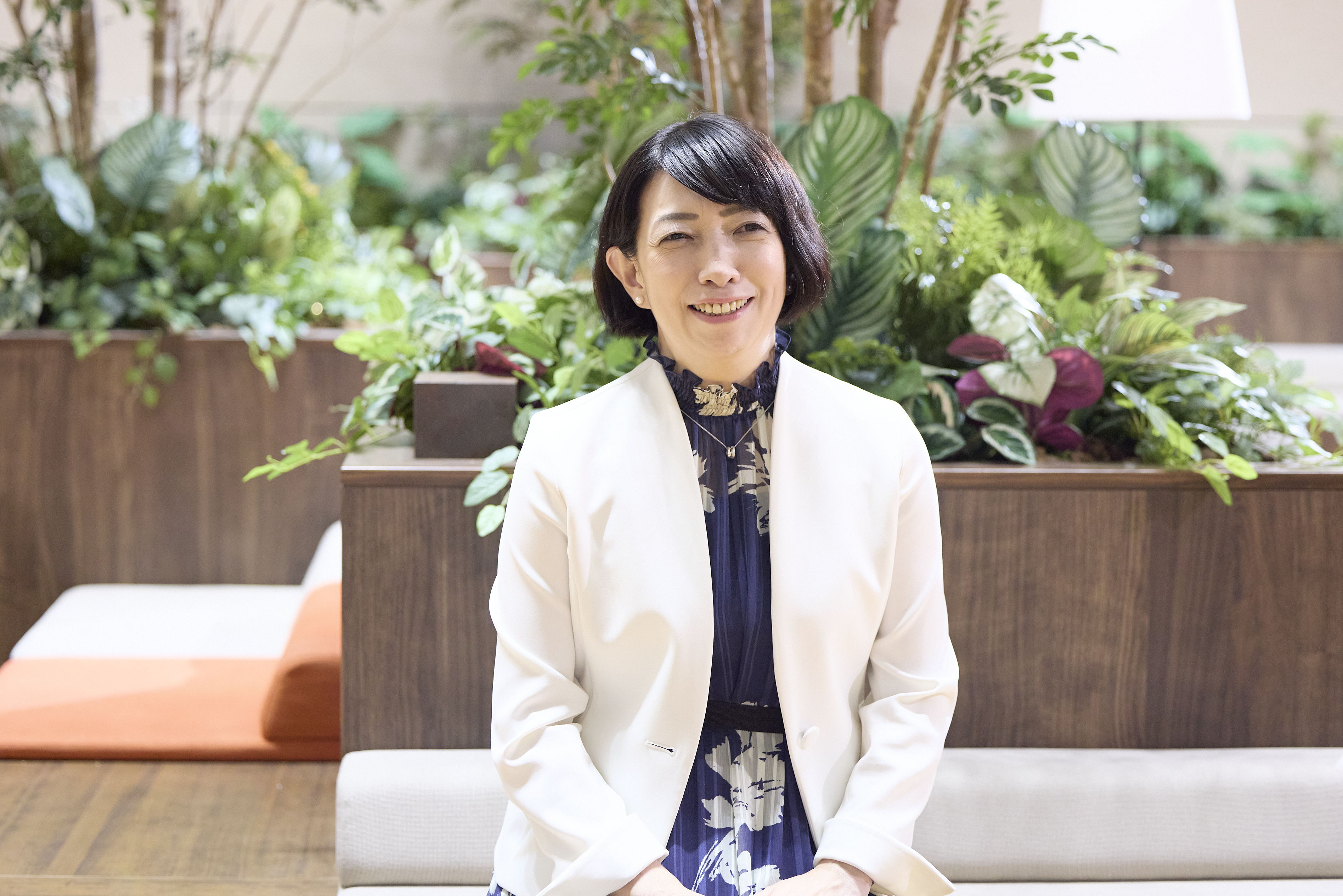
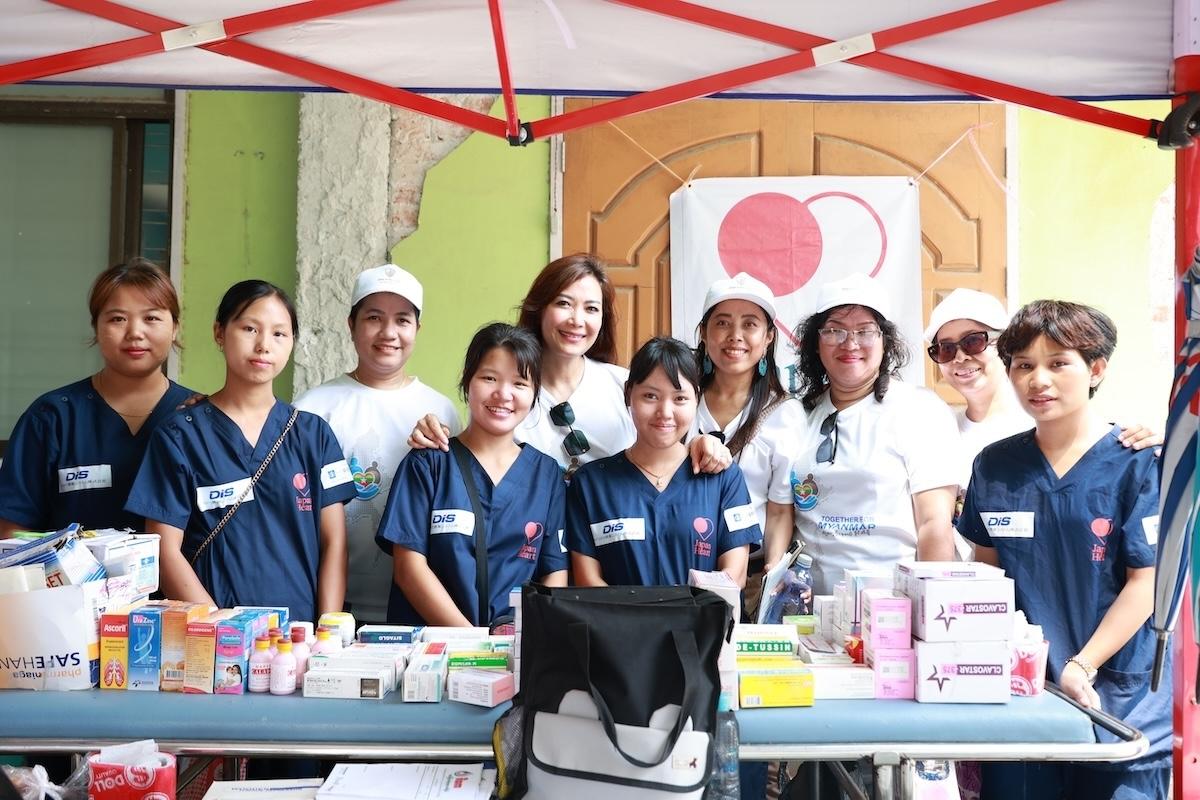
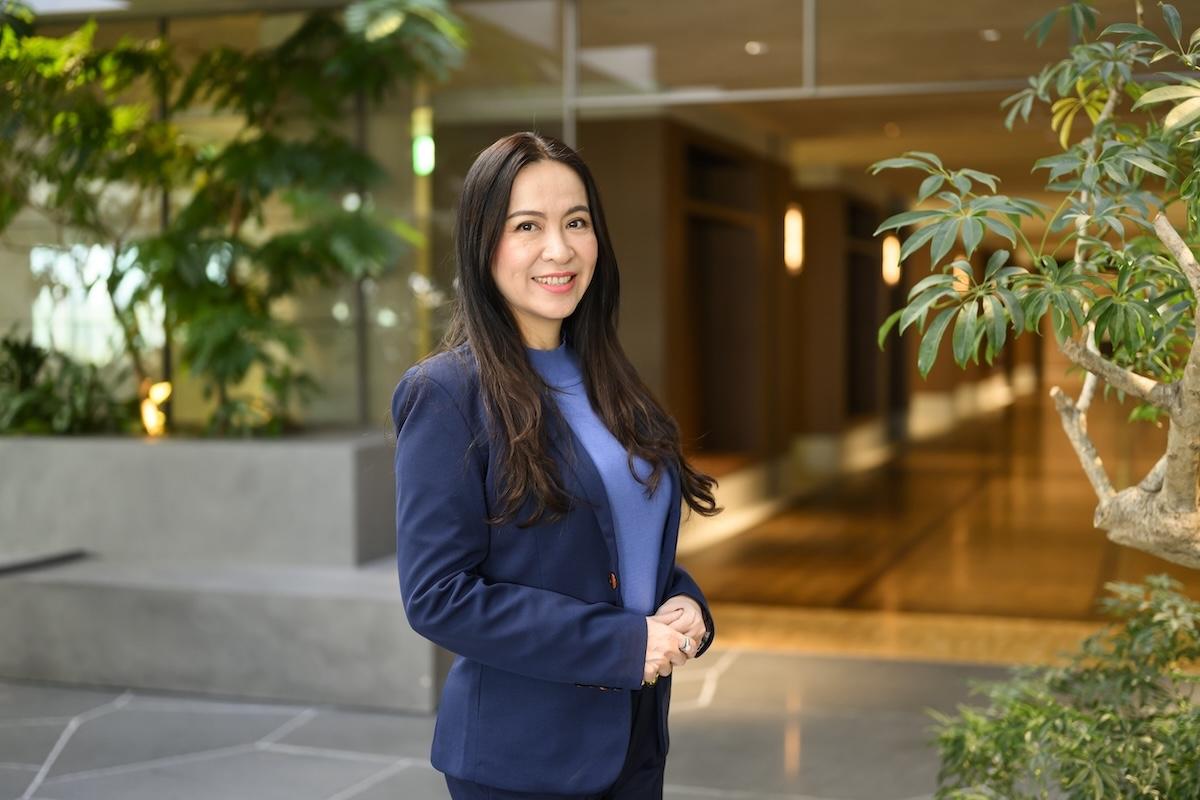
The impetus for Daiichi Life Myanmar’s initiative traces back to its encounter with Japan Heart in 2020. Khin May Lynn, Director of Communications at Daiichi Life Myanmar, shares her thoughts. “We have a concept called DSR (Daiichi’s Social Responsibility) that we uphold as our corporate conduct principle. Based on this concept, we strive to be a company that contributes to the development of local communities and the health promotion of people living in those areas. Our partnership with Japan Heart is a direct result of putting this philosophy into action. Initially, we provided educational tools like tablet devices and school supplies, well-being programs such as soccer, fitness dance, and swimming, and IT programming courses to the Dream Train Children’s Home operated locally by Japan Heart. Through these efforts, we learned that supporting the future of children requires not only education but also medical support. Simultaneously, we recognized Japan Heart’s excellence in both medical expertise and compassion for children, leading us to seek a stronger partnership,” Lynn explains.
303 surgeries, each one creating a smile and a new lease on life
This kind of medical support began in 2023. Daiichi Life and Japan Heart provide not only the costs of surgery, pre- and post-operative medication, and follow-up care, but also meals for patients and their accompanying family members when needed. The efforts began with free cleft lip and palate surgery offered in the cities of Naypyidaw and Mandalay. Coverage then gradually expanded to Taungoo, Pathein, Bago, Myitkyina, and Mawlamyine. “What we value most is ensuring that children across different regions can receive the necessary surgery regardless of their economic circumstances. We have expanded our efforts with this goal in mind,” says Lynn. Between 2023 and March 2026, surgery was performed on 303 children. “This number is not just about surgeries. It represents children whose life journeys have taken a positive turn, children who can now smile with confidence, breathe easily, or attend school in better health than before. Each one of these children matters.”
Many parents of children who underwent surgery had been seeking support for years. “Some express relief, saying, ‘Finally, I have fulfilled one of my responsibilities as a parent.’ Witnessing such moments makes us realize that what we provide is not merely treatment, but also dignity and hope to each individual. While plenty of work remains to be done, we continue our support, carrying in our hearts the conviction that we are playing a part in sustaining these young lives.”
What we can do to ensure that pediatric healthcare remains protected in the future
For Daiichi Life Myanmar, teaming up with Japan Heart marked a significant step forward in its support efforts. Simultaneously, this partnership holds immense significance for Japan Heart. “Everyone at Daiichi Life Myanmar is approaching this project with sincerity and a strong sense of purpose. It is precisely because this collaboration is grounded in such deep commitment—not merely knowledge, funds, or manpower—that we feel our partnership is meaningful and capable of making a significant impact on the local community,” says a Japan Heart representative.
“There is still a mountain of work to be done,” adds Lynn. Indeed, resolving Myanmar’s healthcare challenges remains a long journey. “We consider the significant regional disparities in healthcare, such as areas facing an overwhelming shortage of pediatric medical equipment and trained specialists, to be a critical issue. To tackle this challenge, in addition to providing free surgeries, we are working on dispatching Japanese pediatric medical specialists, supporting treatment in local pediatric wards, providing technical training to local surgeons, and donating essential medical equipment to areas in need. We value this dual-pronged approach. We are treating as many children as possible right now and strengthening the long-term healthcare system for future generations.”
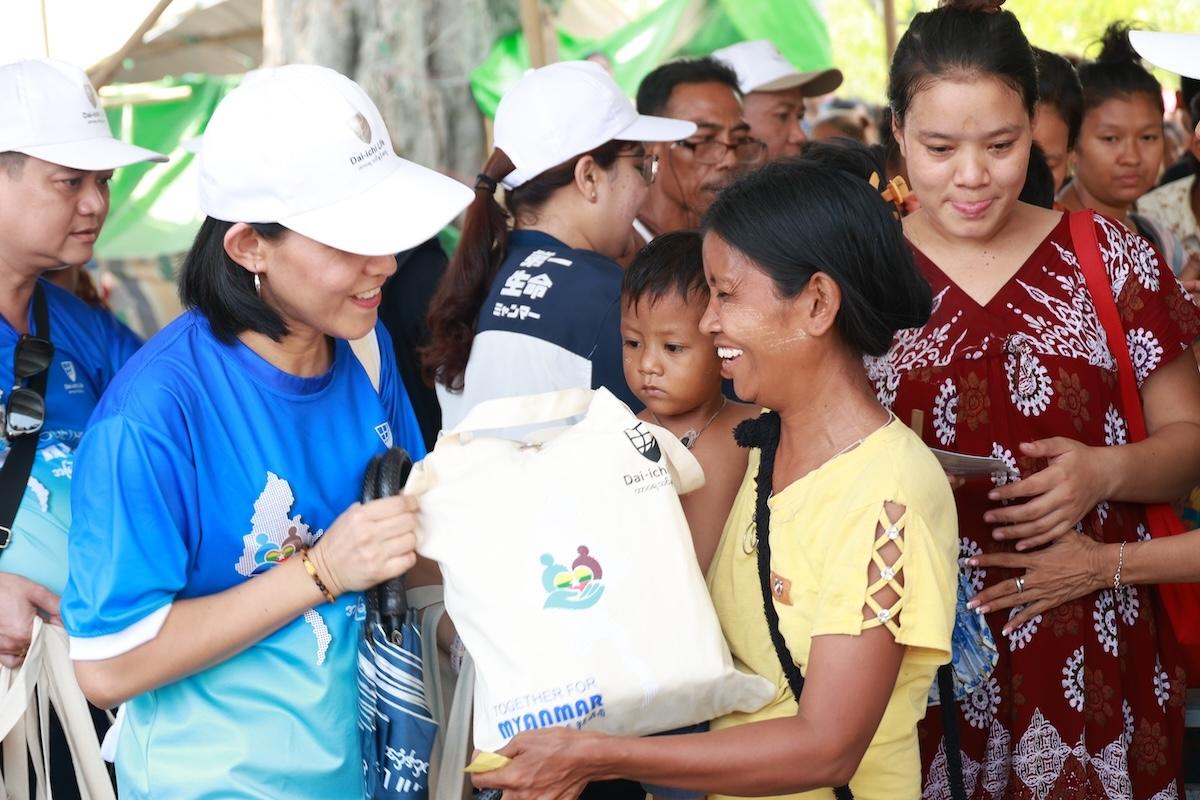
Medical support is not limited to peacetime. Myanmar was struck by a major earthquake measuring 7.7 on the Richter scale in March 2025. In addition to sending relief funds to areas affected by such natural disasters, Daiichi Life is collaborating with Japan Heart’s medical team to dispatch emergency medical teams, donate funds for setting up operating rooms, and establish mobile medical units and temporary outpatient clinics.
Daiichi Life Myanmar — Leveraging medical support to build a society where everyone can live a happy life
Underpinning these activities is Daiichi Life Myanmar’s passionate commitment. “We believe in empowering the next generation through our corporate activities. Our mission is to create an environment where children in Myanmar can grow up healthy in body and mind, gain confidence, and move forward with hope toward educational and life opportunities. To achieve this, we must not only provide financial support but also build trust through close engagement with local communities and drive change by collaborating with specialized organizations. We take pride in the fact that this is something only Daiichi Life Myanmar can do, and we are determined to fulfill our role to the fullest,” says Lynn.
The challenges will continue, but Lynn is firmly resolved. “While continuing our current child support programs, we will expand our geographic reach, establish emergency response systems for disasters, and simultaneously intensify our efforts to train local medical professionals. Accumulating specialized knowledge and skills locally will cultivate a legacy that transcends generations. We will spare no effort to make advanced medical care more accessible throughout all of Myanmar.”
This experience extends beyond Myanmar to the world. “Today, the world is in a state of vulnerability and uncertainty, and as a result, children and families everywhere face social challenges. As the Daiichi Life Group, operating globally across Asia-Pacific, North America, and beyond, we will continue to leverage the insights gained by Daiichi Life Myanmar. This will enable us to contribute to communities worldwide, particularly in underserved areas. Promoting human happiness and equal opportunity in every region where the Daiichi Life Group has a presence—that is the future we strive for,” Lynn concludes.


Latest Articles