
Human Capital
Employee Philosophy Statement
Amid an increasingly complex and ever-changing business environment, human capital is the driving force for implementing our management strategies and realizing our Purpose. The Group has established the Employee Philosophy Statement, to share the values we have cherished as “By your side, for life” with all companies within the Group.
To realize a world in which all employees can thrive and demonstrate their individuality, and to further enhance our corporate value, we are working to develop human resources, strategically assign human resources, and foster a corporate culture in which diverse human resources can maximize their potential.
Daiichi Life Group Employee Philosophy Statement
Growth is not a solo endeavour.
As over 100 years of experience has taught us,
growth comes from belonging to something bigger than ourselves.
At Daiichi Life Group, we are by your side, growing with you.
Challenging you. Supporting you to prosper.
Protecting the well-being of all, now and for the future.
Wherever you are with us, and wherever you go in our group,
we work together to open up a world of opportunities.
Pillars of Daiichi Life Group Employee Value Proposition
The Daiichi Life Group's EVP consists of 4 pillars: 'GROW', 'PROTECT', 'BELONG' and 'BE WELL'.

We create an environment where you are challenged to grow, prosper, and embrace new possibilities, as you continue to develop new skills and aspirations.

We protect you, our customers, communities, and each other, not simply now but also for the future.
We value the diversity of our people and create an environment where you are respected, heard, and able to make a difference.

We believe that being safe, well and supported at work creates an environment where you feel energised, encouraged, and supported.
Group Human Resources Strategy
The key goal of the Group Human Resources Strategy is to increase the likelihood of achieving our Vision as a Group by linking it to our business strategies and developing a management foundation to successfully respond to changes and challenges. Amid rapid changes in the surrounding economic environment and diversifying customer values, we will achieve continuous enhancement of corporate value and convert the diversity of the Group's 60,000 employees into power by steadily promoting measures based on our key message and six pillars of the Human Resources Strategy.
Key Message of the Group Human Resources Strategy
Empowering our diverse talents to drive transformational innovation
Six Pillars of the Group Human Resources Strategy
- 1Talent Acquisition and Development
Attract and develop talented human resources
- 2Career Ownership
Encourage employees to imagine their ideal career development
- 3Personnel and Compensation Systems
Build a system that compensates employees based on performance
- 4Optimal Talent Allocation
Provide a forum to fully demonstrate strengths and capacity
- 5Corporate Culture and Well-Being
Create a motivating workplace to work in a healthy and individual manner
- 6Group HR Governance
Create a management structure that supports the Group Human Resources Strategy
Systems Supporting Human Resources Strategy
To realize the vision our Group aspires to, it is essential to continuously identify and develop the next generation of talent, while supporting each employee in autonomously shaping their career. In addition, systems that encourage and sustain challenges—such as a fair evaluation process and a compensation framework that enables individuals to directly experience their own growth and the enhancement of corporate value—are indispensable.
In keeping with this fundamental approach, our Group is committed to further enhancing its human resources systems as a solid foundation for generating positive synergy among the pillars of our Human Resources Strategy. This will empower employees around the world to enthusiastically pursue our shared goal of driving growth across the entire Group.
Career Development System for Domestic Employees
Regarding Daiichi Life Group and three other domestic life insurance companies, to support diverse career preferences, we provide numerous systems depending on the goals, timing, and experience employees wish to gain. The number of open positions,applicants, and successful candidates for the My Career program, a system that offers open recruitment for diverse professional duties within the Group, have all remained steady. In FY2024, we expanded this system to posts that accept flexible transfers outside of the regular transfer period (April 1) and introduced open recruitment for Line Managers. By enabling applications from posts up to two levels below line manager, we encourage employees to try for a managerial position at an even earlier stage. In FY2024, there were 45 applications for this post.
| Regular transfers | Line Manager postings | Interim transfers | Total | |
|---|---|---|---|---|
| Number of job postings | 439 | 305 | 75 | 819 |
| Total number of applicants | 475 | 63 | 12 | 550 |
| Total number of successful candidates | 172 | 8 | 6 | 186 |
Global Job Posting
The Daiichi Life Group launched Global Job Posting Program in FY2021 as an open recruitment system that spans all countries of operation and companies within the Group. This is a framework that enables employees of any Daiichi Life Group domestic or international company to voluntarily experience opportunities in a global career beyond the borders of their country or company. Positions are wide-ranging, from parttime, short-term, long-term, and virtual to in-person transfer to new locations, enabling flexible workstyles that meet the lifestyle and working situation of each employee. Through such opportunities that are unique to the Daiichi Life Group, each employee can broaden their perspective and widen their networks by utilizing their curiosity as a driving force. At the same time, they can draw on their own potential to push forward.
| FY2021 | FY2022 | FY2023 | FY2024 | FY2025 | |
|---|---|---|---|---|---|
| Virtual | 8 | 3 | 5 | 14 | 4 |
| In-person transfers | 0 | 1 | 7 | 7 | 2 |
| Total | 8 | 4 | 12 | 21 | 6 |
| Cumulative total | 51 | ||||
- *as of May 2026
| FY2021 | FY2022 | FY2023 | FY2024 | FY2025 | |
|---|---|---|---|---|---|
| Virtual | 12 | 7 | 12 | 22 | 15 |
| In-person transfers | 0 | 15 | 14 | 16 | 6 |
| Total | 12 | 22 | 26 | 38 | 21 |
| Cumulative total | 119 | ||||
- *as of May 2026
Fair evaluation systems that support growth
As part of our fair evaluation system, all in-house employees are subject to individual performance evaluations, organizational performance evaluations, enabling the Company to appropriately assess employee behaviors and achievements.
In addition, bonuses for in-house employees are performance-based and reflect the performance of the Company, the organization, and the individual. This ensures that employees' compensation is linked to both their individual contributions and the overall performance of the Company, not only for sales representatives but also for employees in non-sales roles.
Furthermore, with a view to supporting employees' autonomous growth through the establishment of a relationship of trust between superiors and subordinates, “1 for 1” dialogue (Daiichi Life Group's version of 1 on 1) has been introduced to create opportunities for continuous dialogue. These sessions are held at least once a month for approximately 15-30 minutes to share goals, progress toward those goals, and improvements.
| Type | Frequency | Description |
|---|---|---|
| Personal Performance Evaluation | Three times a year (beginning, middle, end of year) | Superiors and subordinates meet at the beginning of the year to share the annual goals of each employee and specific metrics to be achieved. Respective organizational challenges are broken down by role and assigned to each employee. Through this process, the achievement of personal goals leads to the improvement of organizational and ultimately the entire Company's performance. Progress toward the achievement of goals set at the beginning of the year is reviewed mid-year and final achievement status is evaluated at the end of the year. |
| Organizational performance evaluation | Once a year (end of year) | Each department sets multiple organizational goals based on the mid-term management plan. Final achievement status is evaluated at the end of the year. As above, personal goals are set based on organizational goals, and the total evaluation result of an organization is reflected in the bonuses of its members. |
| 360-degree review | Once a year (middle of year) | This is a mechanism which targets management and observes an individual through multiple relevant persons and positions, including colleagues, subordinates, and other related employees. It aims to inform employees of the gap between how they are viewed by others (objective recognition) and their own recognition, and to encourage them to further engage in mindset transformation, behavior change, and self-transformation. |
Stock-Based Compensation Program for All Employees
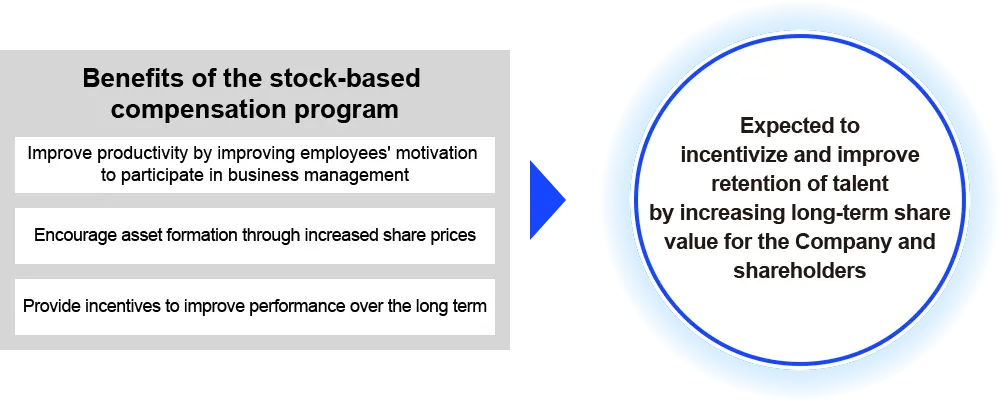
In May 2024, the Company and the three domestic life insurance companies introduced a stock-based compensation program for employees. Under this program, all employees who are members of the Employee Stock Ownership Plan (Mochikabukai) receive a fixed number of the company's shares each year. In addition, we have introduced a system under which senior management receive additional shares based on the degree to which performance conditions are achieved in order to further incentivize talent to improve the share price and business performance.
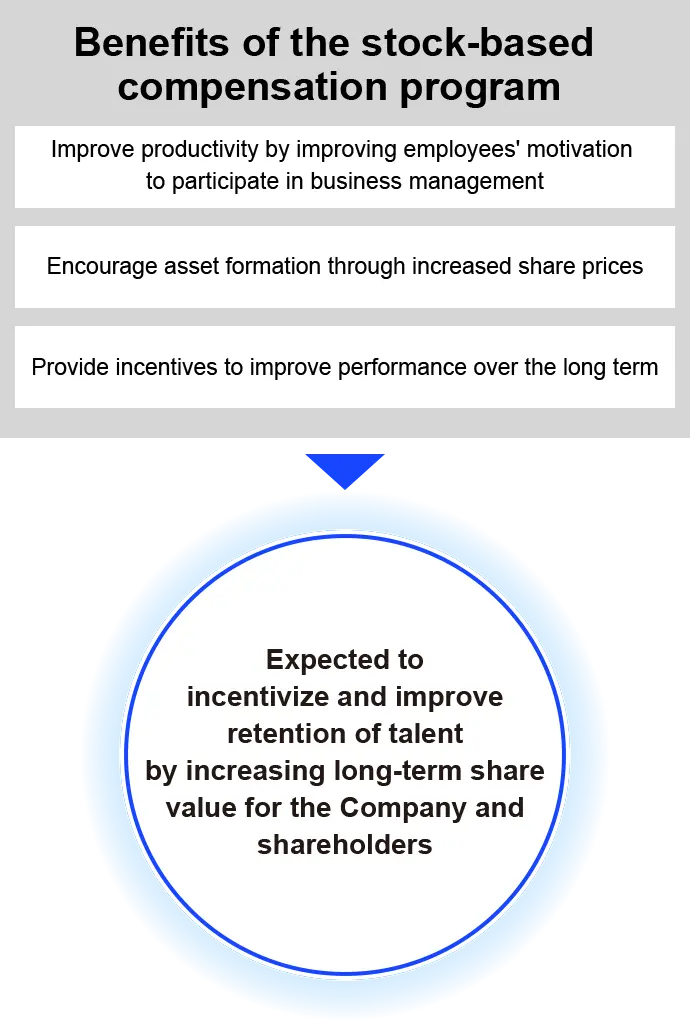
From an employee viewpoint, the stock-based compensation program enables understanding of the link between their day-to-day work and the benefits they receive as they will have a more direct relationship to the Company's performance. The program also has other merits for employees, such as improved productivity through heightened motivation to participate in business management and asset formation by leveraging increased share prices.
- *as of the end of April 2026
From the viewpoint of the companies and shareholders, the program is also expected to deliver many benefits including employees' increased commitment to stock prices and strengthened retention of talent through increasing stock prices over the long term. Further, from the viewpoint of long-term incentivization, we have adopted a framework that sets relative Total Shareholder Return (TSR) as a factor in deciding the amount of extra pay for employees and adjusts pay according to the relative TSR over the past three years.
For the Company, which went through demutualization and became a listed company in FY2010, the stock-based compensation program for employees is a foundation that aligns the interests of companies, employees, and shareholders. We will gradually roll out this program to other domestic Group companies and to expand investments in human capital through the program.
Our Ideal Group Employees
Under our Group Human Resources Strategy, ideal Group employeesare defined as “those who proactively develop their careers.”This is not career development led by the Company. The statement refers to how employees decide on their own “ideal” and “the career path to achieve it”-how they proactively engage in enhancing their skills and connecting this to their personal growth.
Mid-Career Hires
We are focusing on the recruitment of midcareer hires since a successful transformation from an insurer to a broader insurance-related service provider requires diverse people with a high level of expertise.
We will acquire knowledge from outside the Group and aim to diversify our people for realizing further innovation.
| FY2024 | FY2025 |
|---|---|
149 people | 279 people |
| FY2024 | FY2025 |
|---|---|
51% | 69% |
Development of Next-Generation Leaders
Continued Emergence of Management Talent Responsible for the Future
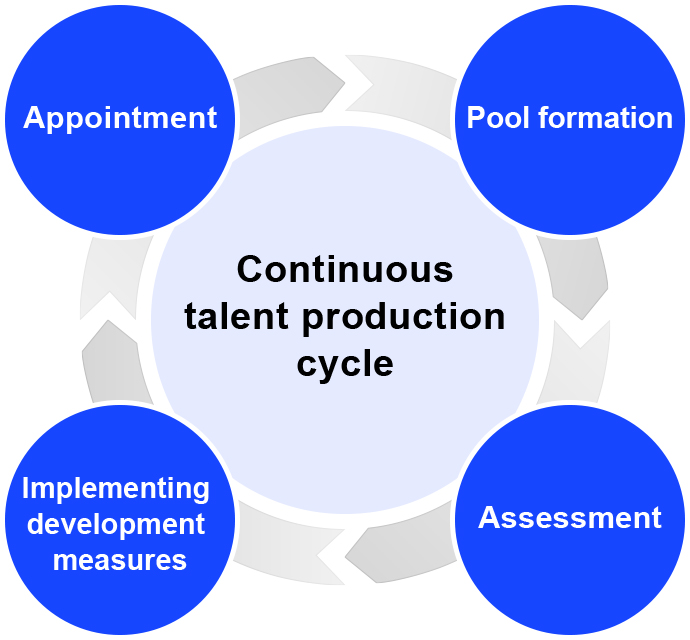
The stable emergence of next-generation leaders for management is one key management strategy that supports the continued enhancement of corporate value. As the management environment becomes ever more complex and the speed of changes increases, we are proactively promoting the process from discovering and forming a pool of talent to assessment and training, and promoting a strategic cycle of producing next-generation talent both domestically and internationally for the continued growth of the Group.
In Japan, this cycle for developing next-generation leaders is led by the Human Resources Committee, comprising the Group CEO and other executive members. We are promoting the creation of a pipeline for talent responsible for Group management by providing development opportunities that meet their characteristics and preferences, enabling the discovery and visualization of talent that possesses the potential for management. Further, we are focusing on fostering a management perspective at an early stage and supporting acquisition of the skills, experience, and viewpoint required of management talent. This can be achieved by Group management contributing to measures such as Top Leadership Development.
Talent Pool Assessment
We are engaging in the visualization of each individual characteristics and future growth potential and conduct assessments of applicable employees from the domestic and international talent pool. Talent that will drive the growth of the Group as management must have a multifaceted background in addition to the ability to conduct business as individuals. Examples include the ability to conceptualize based on the business environment and create their vision for the future; leadership that can communicate this vision in their own words and drive change while involving others; and the ability to flexible collaborate with colleagues from a variety of backgrounds and utilize diversity in the management of the organization. Assessment within Japan is conducted at various years of employment and timings and is utilized in the early promotion of junior talent, with the goal of understanding future growth potential. We are increasing transparency in the process of appointing people to important posts within the Group by understanding the current position of each employee based on objective assessment results. By integrating development measures, such as training based on assessment results, we are working to ensure the stability and diversity of the future business management structure by encouraging candidates to grow.
Domestic Initiatives
Development of Management Talent in Japan
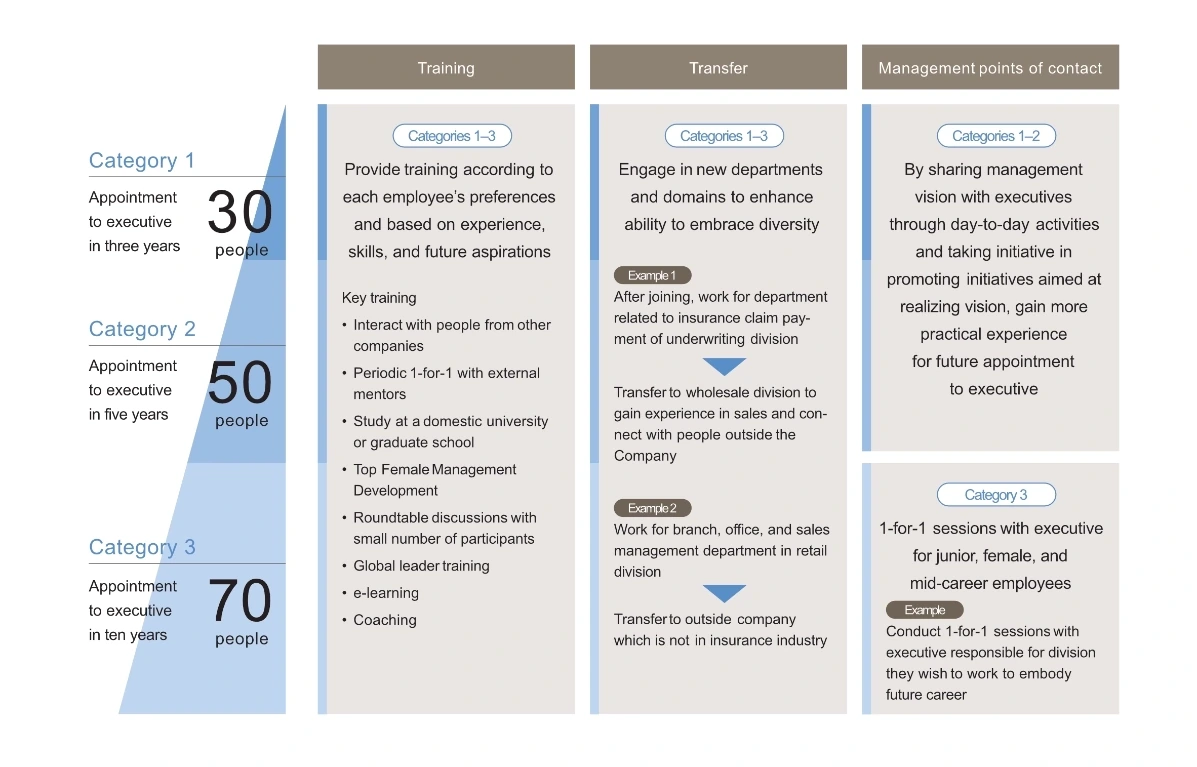
In creating a pool for domestic next-generation management, we divide the pool into three categories according to the expected period for appointment to executive and deploy various development measures for approximately 150 employees. These development measures comprise the three perspectives of training, transfer, and management points of contact.
Management is deeply involved in this development process. Through our Top Female Leadership Development, which is for female employees aiming to be promoted to General Manager, we have implemented a President's roundtable with the goal of developing each candidate's capability to make and execute decisions on their own. The aim is to foster confidence and ambition as a leader, as well as wide-ranging knowledge, by sharing messages and experience from the perspective of management.
For junior employees who have few daily contact points with management, we have established opportunities to exchange opinions (1-for-1*) on various topics, including what the Daiichi Life Group should be in ten years,with the executive responsible for a different division from the one they are assigned. The aim is to foster a management perspective at an early stage. Further, we are working to expand the network and acquire diverse viewpoints by creating an opportunity for joint training with employees from other industries through cross-border learning that enables employees to encounter different values and ideas.
We also implement transfers, with the individual's preference as a prerequisite, to expand their viewpoint through diversification of their experience. To securely hand over the Daiichi Life Group to the next generation, management-level leaders are deeply involved in efforts to develop candidates for management.
- *Daiichi Life Group's version of 1 on 1
Global Initiatives
Development of Next-Generation Leaders for Future Group Management Across the Globe
As a Group that aims to become a global top-tier insurance group, it is vital to develop and secure talent that possesses a Group-wide perspective, not just that of each company and country. Based on this concept, we deploy various development strategies for global talent who belong to overseas Group companies and are expected to drive the future growth of the Group.
We conduct online assessments of talent selected from each company as a starting point of this development. By evaluating numerous factors such as the capabilities, personality, and motivation of examinees, we can provide specific development opportunities in line with their individual traits and aspirations.
As specific talent development initiatives, we launched the Global Perspectives and Insights Training (GPIT), Daiichi Life Group Mentoring Program, and a Roundtable with HD Leaders in FY2025 in addition to the Global Leadership Program (GLP) which has been in continuous use since FY2018. Under GPIT, we will cultivate the necessary skills, ideas, and leadership qualities to produce results in a multicultural environment. The Mentoring Program has highly experienced leaders from within the Group support the improvement of mentee skills and their career development over a period of six months, whereas the Roundtable aims to expand participant's perspectives and opportunities for growth through dialogue with Daiichi Life Group's management. Through these initiatives, we will steadily promote the building of a global talent base that contributes to the improvement of Group corporate value.
Global Leadership Program (GLP)
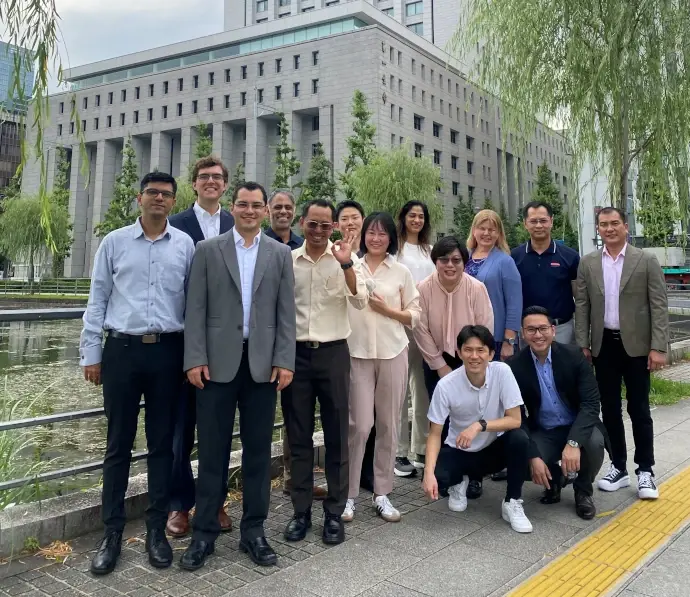
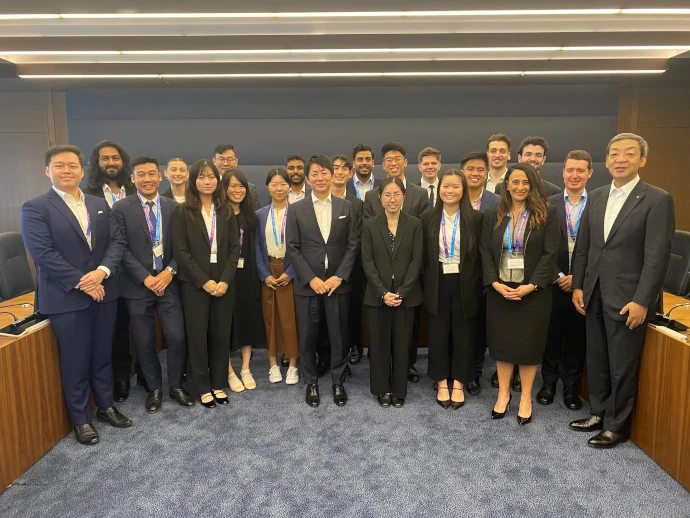
The Global Leadership Program (GLP) was launched in FY2018 and is designed to develop next-generation management leaders who will be responsible for the global management of the Daiichi Life Group. The program aims to deepen understanding of the Group's philosophy, strategy, and business environment, and to help management from each company and region equip themselves with the perspective and practical business skills necessary to become leaders within the Group that has expanded its business around the world.
Under the GLP, participants with diverse backgrounds are provided the opportunity to learn beyond the borders of their country and company and to create a network for future cooperation. The goal of this program is to reinforce the competencies required for the next-generation management leaders as the group, and the program strengthens the skills necessary to achieve sustainable growth even in a business environment that is highly uncertain.
Over 50 people have been accepted into the program since it launched six years ago and we are striving to reinforce connections within the Group through events that aim to maintain networks following participation. Graduates of this program include the CFO of Daiichi Life Group, Inc., the president of the domestic Group company, and CEO and CTO of overseas Group companies. The GLP has produced numerous leaders that are at the core of each company and has steadily produced results as a measure that supports the future of the Group management foundation.
Global Talent Development
As a Group aiming to become a global top-tier company, it is essential that all employees possess a global mindset and viewpoint. Further, employees engaging in overseas operations are required to accurately convey the Group's philosophy and management strategies while respecting the local culture and business practices. They must engage in building relationships of mutual trust at the same time as supporting the growth of and reinforcing governance at each company.
The foundation of a global insurance group is thorough understanding of the life insurance business by all employees, as well as the acquisition of language skills, negotiation abilities, and the capability to respond flexibly to diverse values. At the Group, we provide numerous development opportunities including overseas training workshops to cultivate language and global business skills, in addition to deepening practical understanding and expertise through daily operations.
We also employ a Global Pool Assessment (GPA) system as a tool to visualize employee practical global business abilities. We set the standard GPA at 3.5 out of 5 as a requirement for employees expected to support and contribute to our overseas operations from both within and outside Japan, with assessments undertaken by an international instructor that simulate actual business situations such as meetings, presentations, and negotiations. As of the end of FY2024, this resulted in the qualification of over 200 employees.
| End of FY2024 | End of FY2025 |
|---|---|
205 people | 281 people |
DX Talent Development
The Group has positioned technology as a key factor for differentiation. Under such circumstances, it is vital that we both develop and secure high-level DX talent to guide the Group as a whole and create an organizational foundation by enhancing the digital literacy of each employee.
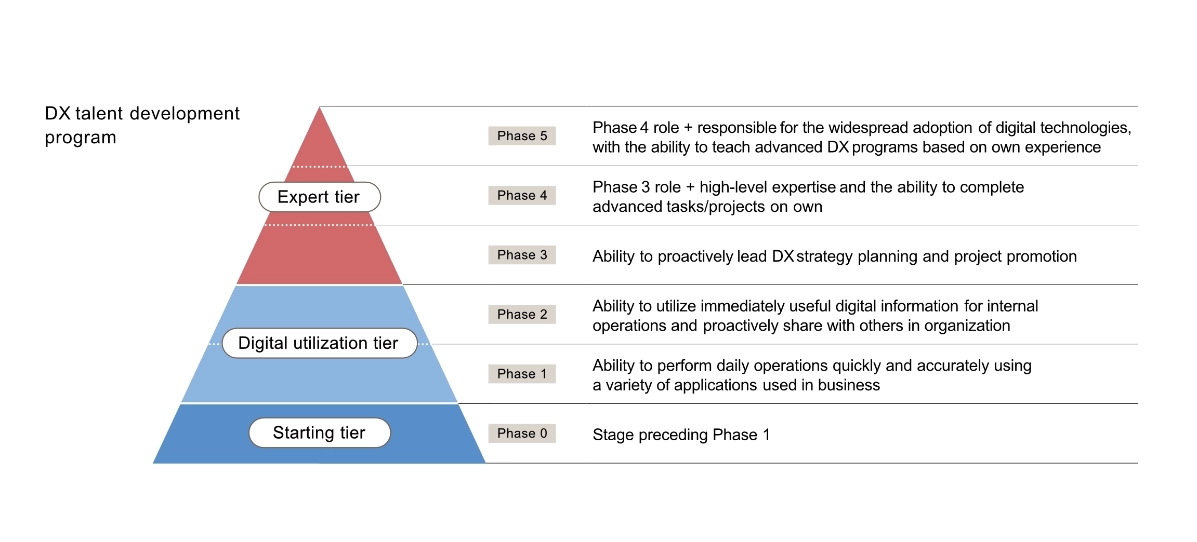
From FY2024, the Group has updated its DX talent development program, which comprises six phases, for Daiichi Life Group, Inc. and domestic life insurance companies. To date, over 8,000 employees have participated and approximately 2,500 have been certified for Phase 2. Phase 2 concerns the “utilization of digital technology” section. With requirements to participate in prescribed training and acquire national certification, such as the IT Passport Examination, it is a vital indicator for measuring the expansion of the Group's DX foundation.
Further, under Phase 3, which comprises the expert tier that drives the Group's DX implementation, we implemented development for 100 employees through a selection system in FY2024. Since many DX strategies proceed on a project basis, under Phase 3, we have created a curriculum that places importance on design thinking and project management with the goal of developing the ability to independently promote and manage projects through practical experience.
Certification and Education Support Program
At Daiichi Life Group, Inc. and other domestic life insurance companies, we support employees in obtaining professional certifications by subsidizing examination fees and study materials for various qualifications required in the life insurance business.
To develop talent capable of driving our global business expansion, we provide incentives of up to 500,000 yen for employees in career-track positions, including in-house employees, who obtain any of our more than 60 company-designated certifications, thereby encouraging proactive learning and skill development.
In addition, we offer company-sponsored study opportunities at universities and graduate schools for in-house employees.
| Company Support | Eligible Employees | |
|---|---|---|
| Advanced Course | 25% of Exam and Material Fees (Full coverage is provided depending on job category and examination results) | All employees (including Sales Representatives) |
| Foreign Currency‑ Denominated Insurance Sales License | ||
| General Course | Full Coverage of Course Fees | |
| Actuary* | All in-house employees | |
| Information Technology Engineer Examinations /JDLA Deep Learning for GENERAL (AI & IT-related Qualifications) | Incentive Awards of up to JPY 500,000 Based on Qualification Attainment and Test Scores | |
| TOEIC | ||
| Finance-related Qualifications (e.g., CFP, Certified Securities Analyst) | ||
| Accounting-related Qualifications (e.g., Certified Public Accountant, Bookkeeping) | ||
| Real Estate-related Qualifications (e.g., Real Estate Transaction Agent) |
- *Support for Actuarial Qualification Examinations is available to in-house employees. The level of company support varies depending on employees' entry-track category and other eligibility criteria.
Development of Sales Representatives
At Daiichi Life Insurance Company, Limited, we are dedicated to nurturing Sales Representatives who can continue to stand by our customers as By your side, for life.
As customer values and needs become increasingly diverse and sophisticated, it is becoming ever more essential to develop Lifetime Designer who can contribute to enhancing customers' quality of life (QOL) and deliver a high level of customer experience (CX). Based on this recognition, we implemented a fundamental reform of our recruitment, training, and compensation systems for Lifetime Designer starting in fiscal year 2022.
We introduced a stable compensation system and adopted a more selective recruitment process to better assess candidates' suitability for the role. Furthermore, we significantly extended the initial training period to one year and established a specialized institution, the Career College, where new hires can intensively acquire the necessary sales skills and literacy.
Even after graduating from the Career College, we continue to provide ongoing education in areas such as asset formation and financial literacy. Through this comprehensive training framework, we aim to cultivate Sales Representatives who can truly embody the role of a “By your side, for life” for our customers.
Development of Asset formation / Succession / Inheritance Advisors
At Daiichi Life Life Insurance Company, we newly established “assetformation/succession/inheritance advisors” in FY2023. Advisors aim to respond to customer needs that are growing more diverse and sophisticated by providing consultations based on both protection and asset formation functions. Advisors are active across a number of fields. We are developing a wide range of initiatives that leverage this expertise, including the promotion of high-value-added consultations by proposing asset formation products, implementation of financial literacy training for sales representatives, and creation of new customer points of contact through collaboration with companies and local governments, as well as through planning and lecturing at seminars hosted by the Group .To be certified as an advisor, they are required to complete a one-month training course in addition to obtain a license for selling investment trusts.
Health and Productivity Management Goals
The Daiichi Life Group promotes health management as a foundation for realizing its management strategy. By improving the health and job satisfaction of its employees, the Group aims to enhance organizational vitality and productivity, and through the provision of higher-quality services, contribute to the well-being of its customers and local communities.
Health Management Statement
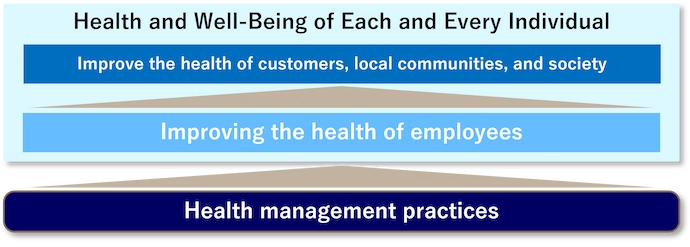
The Daiichi Life Group has made clear both internally and externally its commitment to promoting health management by establishing ”Daiichi Life Group Health Statement” in 2011 and the Basic Policy on Health Promotion in 2013. We will continue to contribute to the health and well-being of each and every one of our employees based on “the Group Code of Conduct” and ”Daiichi Life Group Health Management Statement”, which were both updated in 2024.
Daiichi Life Group Health Management Statement
The Group will contribute to the health and well-being of each and every individual through health management practices
- We will work to improve the physical and mental health of employees so that they can play an active role in work safely and with peace of mind and job satisfaction
- We aim to realize a sustainable society by contributing to improving the health of customers, local communities and society
Group CEO
Health Promotion Basic Policy
Daiichi Life is a life insurance company that complements the social security system. We believe that enhancing the sustainability of Japan's social security system through the promotion of the nation's health is our social responsibility and contributes to the enhancement of our corporate value. This is based on our basic management policy of 'securing the trust of society.' We are committed to management that contributes to the improvement of the health of the local community and the mental and physical health of our employees.
Occupational health and safety
Occupational Health and Safety Policy
Daiichi Life Group, Inc. complies with the Occupational Health and Safety Law and other relevant laws and regulations by applying the Safety and Health Management Policy, which is established with the approval of the Executive Officer in charge of human resources, who holds responsibility for occupational health and safety, to all employees and organizations. We also aim to maintain a well-being workplace environment through health and safety. The Health Committee, attended by industrial physicians, health managers, and worker representatives, meets regularly to set and prioritize health issues, occupational accidents, and other occupational health and safety targets based on an annual plan for health and safety and mental health promotion, and to monitor performance and promote initiatives to achieve these targets. We also monitor performance and promote initiatives to achieve these targets. In addition, in cooperation with the Internal Audit Department, Risk Management Department, and others, the Company conducts internal control self-assessments (CSA) to ensure that work management rules (appropriate working hours, leave taking, etc.) are complied with and that the Health Committee is properly convened to verify reliable efforts.
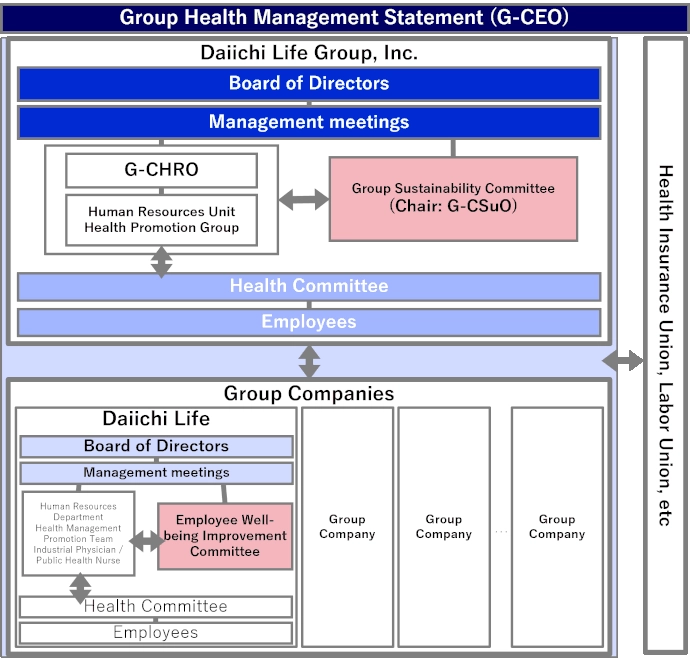
Promotion System
Under the leadership of the G-CHRO, we are working to improve the level of initiatives led by the person in charge of health management promotion in the Human Resources Unit. Specifically, we are promoting various measures based on health issues by collaborating with internal and group companies, health insurance unions, worker representatives, and others, and by implementing the PDCA cycle. In addition, each business site has a person in charge of promoting occupational health and safety activities and health promotion initiatives, such as a work management supervisor and health supervisor, who work together with industrial physicians, public health nurses, and the Health Promotion Group Secretariat to implement initiatives. The PDCA cycle is used to promote health management initiatives and the improvement of occupational health and safety by regularly consulting with the G-CHRO, various committees, health insurance association meetings, health committee, worker representatives, etc., regarding health issues, measures, promotion status, etc. Group Chief Sustainability Officer chairs the Group Sustainability Committee, which reports on health management initiatives and implements the PDCA cycle. Members of the Health Promotion Group are also working to enhance their expertise by acquiring qualifications as occupational health consultants and health management expert advisors.
Connection Goals and Measures
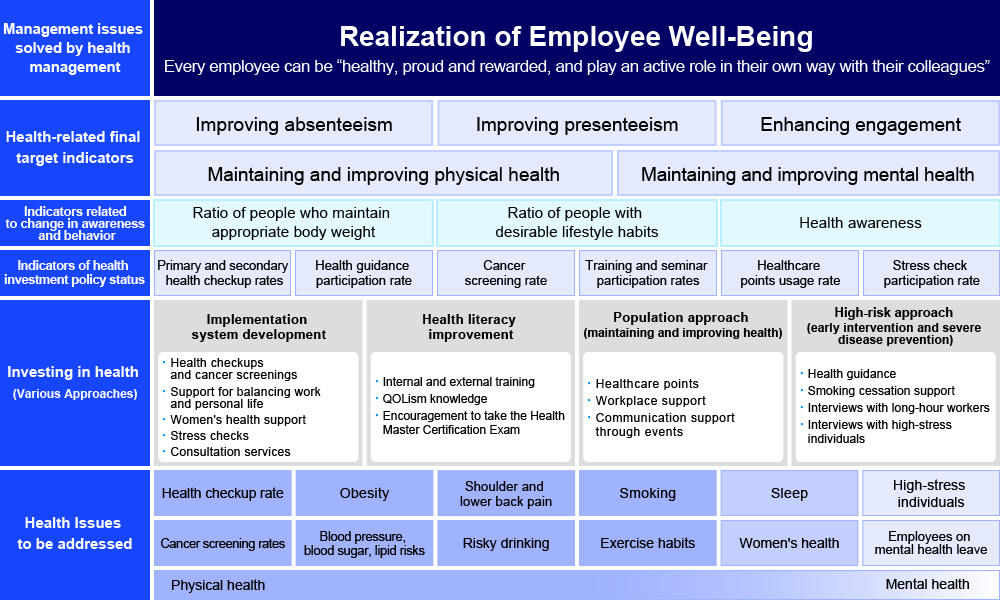
At Daiichi Life Group, we aim to realize employee Well-Being, where each employee is healthy, works with pride and fulfillment, and can thrive in their own way together with colleagues.
As key goals (KGI) to measure the outcomes of our health management initiatives, we have defined improvement of presenteeism and enhancement of employee engagement. In order to achieve these goals, we have set intermediate KPIs (such as secondary health checkup rate) to specifically manage progress, as well as health issues to be addressed and targets to be achieved. Please refer to our Health Management Strategy Map for the link between each indicator and measures.
We regularly monitor the progress of measures and intermediate KPIs, evaluate and analyze the results, and promote continuous improvement through the PDCA cycle. The KGI is also monitored on an ongoing basis, and measures to deal with new high-risk individuals are considered as needed through analysis of various data. We also confirm and verify the impact of these efforts on external evaluations and continuously promote improvement activities.
In addition, under the principles of our occupational health and safety management system, we are undertaking initiatives to secure, maintain, and improve a work environment that ensures health and safety. To enhance the effectiveness of these initiatives, we apply the PDCA cycle to regularly review both the initiatives and their outcomes, thereby promoting improvement in both employee and organizational health as well as the overall level of occupational health and safety.
Moreover, we regularly identify and assess risks related to occupational health and safety, such as accidents, incidents, diseases, and pandemics. We prioritize countermeasures against significant risks identified through this process, and work to prevent recurrence by implementing a PDCA cycle for health measures, including collaboration or consultation with the G-CHRO and related committees, and by providing regular training and information on accident prevention to employees.
Health Management Strategy Map
Health Management Evaluation Indicators
At Daiichi Life Group, we have set employee engagement and presenteeism as key goals (KGI), while also placing importance on absenteeism. In fiscal 2024, we actively implemented initiatives to improve engagement and other key indicators, which has led to score improvements toward achieving our targets.
| FY2023 | FY2024 | FY2025 | FY2026 Target | |
|---|---|---|---|---|
| Engagement*1 | 65 | 66.3 | 67.6 | 67 |
| Presenteeism*2 | 23.4% | 23.3% | 22.5% | Less than 20.0% |
| Absenteeism*3 | 2.2 | 2.2 | 2.1 | - |
| FY2021 | FY2022 | FY2023 | FY2024 | FY2025 | |
|---|---|---|---|---|---|
| Absenteeism rate*4 | 1.22 | 1.25 | 1.23 | 1.29 | 1.29 |
- *1Wevox survey: Overall score (10-100 points) Number of people surveyed (response rate) : 2022: 52,906 (response rate 68%) / 2023: 50,974 (response rate 70%) / 2024: 51,518 (response rate 75%) *includes domestic group companies (last survey of the year) and includes long-term absenteeism
- *2 Employee survey: SPQ (Single-Item Presenteeism Question: University of Tokyo 1-Item Version) Number of people surveyed (response rate): 45,604 (response rate 90.4%) *Excludes long-term absenteeism.
- *3Employee survey: “How many days did you take off work in the past year due to your own illness?” Number of people surveyed (response rate): 45,604 (response rate 90.4%) *Excludes employees on long-term leave.
- *4Number of days not worked due to some form of inability to work / Total number of working days
Key Initiatives
We are promoting “health management” by addressing the prevention of serious illnesses, women's health, and measures to support a healthy work-life balance through health maintenance and promotion measures based on two pillars: prevention of lifestyle-related diseases and mental health measures.
In addition to continuing efforts aimed at individuals, such as promoting secondary health checkups, we are further invigorating organizational efforts through health events and other measures. The synergistic effects of individual and organizational efforts have led to a reduction in the severity of lifestyle-related diseases, improved engagement, and other benefits.
By continuing and strengthening the health promotion of our employees, who are responsible for solving the social issue of extending healthy life expectancy and narrowing the gap with the average life expectancy, we will take on the challenge of contributing to the well-being of each individual and to a healthy community and society.
Initiatives
Health Examination / Health Guidance
We are working on early response to lifestyle-related diseases and prevention of serious illnesses by thoroughly recommending employees to undergo reexamination after regular health checkups and health guidance as well as providing full support for specific health guidance conducted by the health insurance association.
| FY2021 | FY2022 | FY2023 | FY2024 | FY2025 | FY2026 Target | ||
|---|---|---|---|---|---|---|---|
| Primary Health Checkup Rate | 99.8% | 99.9% | 99.9% | 99.9% | 99.8% | 100.0% | |
| Secondary Health Checkup Rate | 85.7% | 87.8% | 87.4% | 87.3% | 84.7% | 100.0% | |
| Post-Checkup Health Guidance Implementation Rate | 100.0% | 100.0% | 100.0% | 100.0% | 100.0% | 100.0% | |
| Specific Health Guidance Completion Rate (DL General Insurance Only) | 93.1% | 91.1% | 92.4% | 85.1% | Currently Implementing | 90.0% | |
| Percentage of Employees Maintaining Proper Weight*1 | Men | 67.6% | 67.4% | 67.2% | 66.4% | 65.6% | 72.0% |
| Women | 74.0% | 73.9% | 73.5% | 72.9% | 72.1% | 81.0% | |
| Percentage of Employees Fully Rested from Sleep*2 | Men | 85.6% | 86.1% | 84.6% | 82.6% | 80.9% | 75.0% or more |
| Women | 74.9% | 75.0% | 74.3% | 72.2% | 72.1% | 75.0% or more | |
| Percentage of Risky Drinkers*3 | Men | 12.7% | 14.2% | 13.2% | 13.2% | 13.6% | 13.6% |
| Women | 16.9% | 17.9% | 17.9% | 17.7% | 17.7% | 16.9% | |
| Percentage of Employees with Blood Pressure Risk*4 | 0.4% | 0.4% | 0.4% | 0.4% | 0.4% | 0.0% | |
| Percentage of Employees with Blood Sugar Risk*5 | 0.9% | 0.9% | 0.9% | 0.9% | 0.9% | 0.0% | |
| Percentage of Employees with Lipid Risk*6 | 5.8% | 5.2% | 4.9% | 4.6% | 4.1% | - | |
- *1Percentage of employees with a BMI under 25
- *2Percentage of employees who responded “1. Fully rested” or “2. Fairly rested” regarding sleep
- *3Percentage of employees consuming 40g or more of pure alcohol per day for men, and 20g or more for women
- *4Systolic blood pressure of 180 mmHg or higher / diastolic blood pressure of 110 mmHg or higher
- *5HbA1c of 8% or higher
- *6Percentage of employees who were judged to “need a hospital visit or a full medical examination” for lipids
Cancer screening
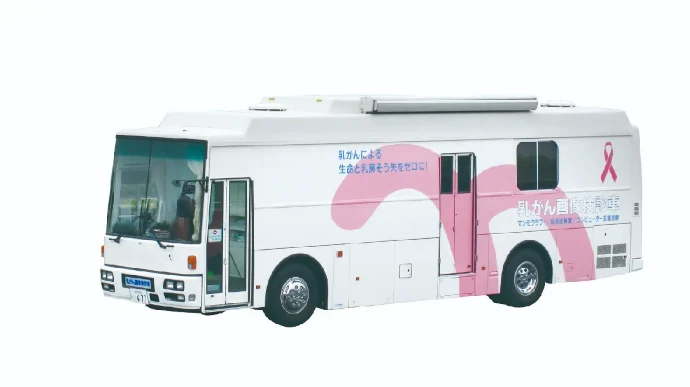
We are also making efforts to improve the screening rate for various types of cancer, and provide full subsidies for the cost of screening. In particular, since approximately 90% of our employees are women, we are working to create an environment that makes it easier for them to receive breast cancer screenings by, for example, providing mammo buses to approximately 320 locations nationwide. The cost of the mammo bus in FY2024 was 184 million JPY. In addition, to increase the cervical cancer screening rate, we are stepping up efforts, led by specialists, to distribute videos on the HPV vaccine and the latest information on cervical cancer.
| FY2021 | FY2022 | FY2023 | FY2024 | FY2025 | FY2026 Target | |
|---|---|---|---|---|---|---|
| Stomach Cancer Screening Rate | 46.7% | 46.5% | 45.5% | 43.5% | To be released in Sep 2027 | 60.0% |
| Colorectal Cancer Screening Rate | 80.3% | 81.0% | 81.5% | 82.7% | To be released in Sep 2027 | 80.0% |
| Breast Cancer Screening Rate | 72.3% | 72.2% | 72.8% | 71.9% | To be released in Sep 2027 | 80.0% |
| Cervical Cancer Screening Rate | 34.9% | 36.5% | 38.4% | 39.3% | To be released in Sep 2027 | 60.0% |
Health literacy
Mental and Physical Health
Every year, we conduct self-care training for all employees and line-care training for managers, followed by a test to confirm their level of understanding. Health seminars are held by public health nurses from Group companies, covering topics such as disease prevention, lifestyle, nutrition, exercise, and mindfulness. QOLism, a health app for which approximately 80% of employees are registered, provides online seminars and videos on exercise, as well as information on diet, sleep, stress, and other topics. In addition, we have recently held seminars for management and employees by the chairman of the National Center of Neurology and Psychiatry, with whom we have a comprehensive partnership, to promote proper understanding of preventative measures and illnesses to create a better work environment.
| FY2021 | FY2022 | FY2023 | FY2024 | FY2025 | FY2026 Target | |
|---|---|---|---|---|---|---|
| Self-care training participation rate*1 | 95.1% | 98.0% | 98.1% | 98.1% | 98.2% | 100.0% |
| Line care training participation rate*2 | 95.2% | 93.6% | 95.5% | 96.5% | 97.2% | 100.0% |
- *1Content: Balancing family and medical treatment, healthy lifestyle, stress management, women's health, etc.
- *2Content: Mental health/line care, support for balancing work and family, women's health, self-care for subordinates
Balancing Health and Work
Since the Daiichi Life Group has a high percentage of female employees, we consider women's health to be one of the most important health issues. We conduct various seminars to help employees build a career that is unique to them by deepening their understanding of women's specific health issues and treatment, and improving their own and others' literacy.
- Themes for the fiscal years 2021-2023
- Women's cancer
- uterine disorders
- premenstrual syndrome
- dysmenorrhea
- menopause
- infertility
- Menopause in men and women
- Fertility treatment and egg freezing
- Male menopause
Joint seminars with other companies
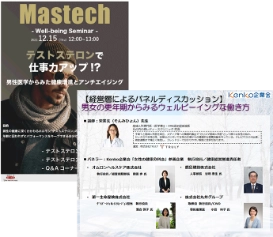
In FY2022, we co-sponsored a seminar with other companies that took menopause, a common symptom shared by many men and women, as a starting point, and mixed it with a panel discussion by outside experts and management. A wide range of employees, regardless of gender or age, participated.
Daiichi Life Group WOMAN's Day
In alignment with International Women's Day and Women's Health Week, the Daiichi Life Group has held the “Daiichi Life Group WOMAN's Day” since fiscal year 2023 as part of its health management efforts. The event features messages from the Group CEO on the importance of women's health and diversity.
Exercise and diet
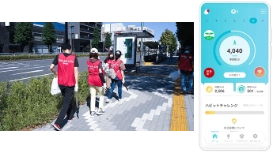
In fiscal 2016, we introduced a “healthcare point system” to provide incentives for each employee's efforts to improve their health, and in October 2021, we shifted to “QOLism”, a new health promotion app developed by a Group company, to promote employee health by holding company-wide team competitions and other walking events, recording meals, measuring abdominal circumference, and providing a variety of other content, The application is helping employees improve their health by holding walking events such as company-wide team competitions, and by providing various contents such as diet records, measurement of abdominal circumference, and exercise. According to a survey of users, 89% of them improved their exercise habits by using the app. Similarly, 71% improved their eating habits through the application.
| FY2021 | FY2022 | FY2023 | FY2024 | FY2025 | FY2026 Target | ||
|---|---|---|---|---|---|---|---|
| Health Care Point Enrollment Rate | 73.9% | 79.4% | 80.6% | 79.9% | 80.5% | 80.0% | |
| Percentage of people who are regular exercisers*1 | Men | 53.6% | 55.0% | 54.4% | 38.2%*1 | 38.0%*1 | 50.0% or more |
| Women | 36.0% | 36.2% | 34.9% | 19.0%*1 | 18.4%*1 | 40.0% | |
- *1The percentage of employees who have continued exercising for at least 30 minutes, at least twice a week, for over one year (for fiscal years up to 2023, the percentage reflects those who continued this routine for over one month).
Smoking cessation support
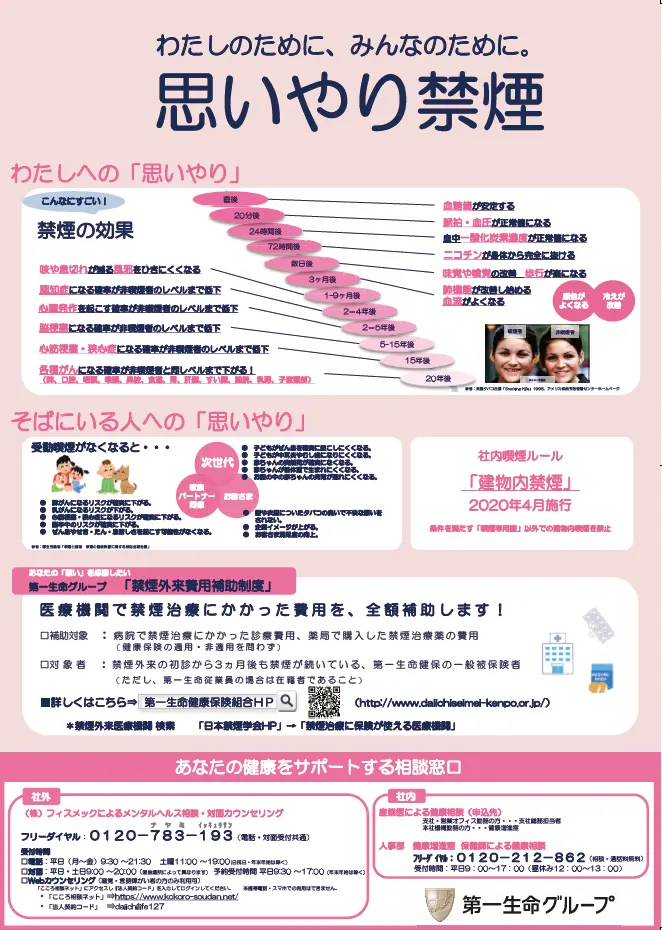
We have designated the days that fall on a “2” (2nd, 12th, and 22nd) of each month as “No Smoking Days” and actively conduct anti-smoking awareness activities, such as posting posters to remind employees of the importance of quitting smoking. We also provide support for employees who wish to quit smoking by offering an app-based smoking cessation support program and subsidizing all out-of-pocket expenses for smoking cessation visits.
| FY2021 | FY2022 | FY2023 | FY2024 | FY2025 | FY2026 Target | ||
|---|---|---|---|---|---|---|---|
| Percentage of Smokers | Men | 27.9% | 27.3% | 27.7% | 27.7% | 29.1% | 23.0% |
| Women | 22.8% | 22.2% | 21.9% | 21.7% | 21.9% | 20.0% | |
Mental Health and Engagement Improvement
With the aim of achieving the well-being of all employees, we have positioned “mental health measures” as one of our key initiatives. We believe that promoting these initiatives will also lead to improved engagement.
- *For details of the engagement score, please refer to “Health Management Evaluation Indicators”.
Domestic Examples
As a result of stress checks conducted every year, we offer interviews with doctors and consultations with public health nurses to employees with high levels of stress, and also provide the results of workplace-based analysis to the head of the department. In addition, through efforts to raise employees' awareness of stress and encourage self-care, we strive to prevent deterioration and recurrence of stress by early detection and early response. In addition, we are working to improve communication within the workplace through regular “1 for 1*1” meetings between supervisors and subordinates, and we provide 1 for 1 training to supervisors as part of our efforts to strengthen management skills.
| FY2021 | FY2022 | FY2023 | FY2024 | FY2025 | FY2026 Target | |
|---|---|---|---|---|---|---|
| Stress Check Participation Rate | 83.8% | 81.2% | 86.3% | 90.3% | 92.0% | 90.0% |
| Percentage of High-Stress Employees | 13.5% | 14.9% | 14.7% | 15.6% | 15.3% | 10.0% |
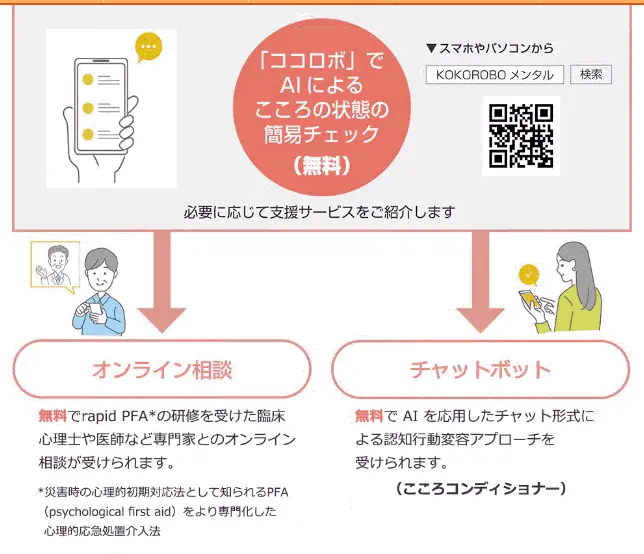
In addition, we have made the “KOKOROBO®” (an online mental health care system using smartphones and PCs) provided by the National Center of Neurology and Psychiatry (NCNP) known throughout the company to prevent mental health problems and provide early treatment for those who have mental health problems.
In addition, in order to further contribute to solving issues related to mental health, we are participating in a collaborative project with NCNP entitled “Development of a Mental Health Platform Using the 'KOKOROBO-J' Remote Mental Health Care System for All Ages and Nationwide Implementation Bases”*2.
In addition, we offer a range of welfare benefits as part of our efforts to improve employee engagement. One example is the “Benefit Station” provided by Benefit One, Inc., which joined our group in 2024. This is a membership-based discount service, and we have introduced it as a welfare benefit system for all employees*3, including not only office-based workers but also sales representatives.
- *1Name of Dai-ichi Life's version of “1 on 1 meeting”
- *2Click here to see the activities of the “KOKOROBO-J” remote mental health care system for all generations.Open new window
- *3This is applicable to those who have entered into an employment contract with Dai-ichi Life. Part-time contract employees are excluded.
Example of an Overseas Representative Case Study
Protective Life Corporation (PLC) offers a comprehensive range of benefits that support wellbeing, including office amenities, and will introduce a more comprehensive Employee Assistant Program (EAP) with a new provider in 2022. The EAP offers a variety of measures to help employees and their families improve their mental health, from in-person counseling to online therapy. We also leverage information provided by EAP providers from peer engagement survey results to support employees' personal and professional development. This is double the typical usage rate of similarly sized companies in the same industry.
Against long working hours
At our company, the prescribed working hours are set at seven hours per day. Any working hours exceeding this threshold are subject to overtime pay, which is ensured without exception-demonstrating a commitment that exceeds legal requirements.
In addition, employee working hours are managed based on computer log data. We have also established internal standards for working hour management that are stricter than legal regulations, as part of our efforts to eliminate excessive working hours.
For details on specific initiatives to reduce total working hours, please refer to the “Promoting Flexible Working Styles” section under Developing an Accommodating Work Environment.
For employees, including management-level staff, who work beyond a certain number of hours, we conduct interviews with occupational physicians to assess their overall health condition. When necessary, the relevant department heads and the Human Resources Department work together, in collaboration with the executive officers responsible for those departments, to improve the working environment.
We also coordinate with the internal audit department to ensure appropriate working hour management through regular monitoring and related measures. Updates on monitoring results and appropriate labor management efforts are regularly reported to the Group Chief Human Resources Officer (G-CHRO) to promote sound management of working hours.
Infection control
In preparation for emergencies such as pandemics, we conduct annual in-house training on infectious diseases and have prepared related regulations, standards, action plans, stockpiles, etc., which are reviewed on a regular basis. In addition, in accordance with the Infectious Disease Control Law, we issue internal notifications of standards for responding to outbreaks of infectious diseases such as tuberculosis, measles, and rubella, and ensure that timely and appropriate reports are made to our administrative office to prevent the spread of infection and ensure stable business continuity. In the event of a pandemic, an Infectious Disease Response Headquarters consisting of management, corporate planning, human resources, and occupational health staff was established to flexibly discuss the situation and implement various measures based on the Business Continuity Plan (BCP).
Occupational Accident Countermeasures
Major occupational accidents at our company are mainly caused by stumbles and falls on station stairs and roads while commuting to and from work or while out of the office, and no serious accidents have occurred. In addition, we have not received any citations for serious violations of laws and regulations from the Labor Standards Inspection Office or other relevant authorities. In addition to taking timely measures to ensure safety and eliminate risks through regular workplace inspections at workplaces by industrial physicians and health managers, risk factors are regularly identified based on the results of analysis of the occurrence of occupational accidents, and recurrence prevention education is provided to all employees. In light of the recent increase in telework, guidance on the working environment for telework is also included in the training opportunities. These are investigated and discussed by the Health Committee in order to prevent occupational accidents. In addition, the company regulations stipulate that the company must accurately and in detail ascertain the circumstances of the accident and the treatment of the person involved, instruct appropriate measures in accordance with the details of the accident, and promptly report the accident to the department in charge. Based on the details of the report, the company identifies the cause of the accident by interviewing the victim and conducting an investigation, and submits a report to the Labor Standards Bureau as required. Regarding disasters, in accordance with the “Disaster Prevention and Response Regulations” approved by the Board of Directors, the Large-Scale Disaster Risk Management Committee submits training plans, issues, and initiatives to the Executive Committee. In addition, we regularly hold training sessions on disaster preparedness and use the “Emergency Call (EMC)” system to encourage employees to stay home or return home early in the event of an expected typhoon or heavy snowfall, and to confirm the safety of employees and their families after a disaster strikes. In preparation for the sudden cardiac arrest of employees or visitors, we have installed AEDs at each of our offices, and when they are installed, we conduct training sessions for employees on how to use them and provide information on their use at all times.
| FY2021 | FY2022 | FY2023 | FY2024 | FY2025 | |
|---|---|---|---|---|---|
| Number of commuting accidents ( ) includes those with time off work | 258 (55) | 271 (67) | 242 (62) | 262 (57) | 304 (70) |
| Number of work-related accidents ( ) includes those with time off work | 755 (141) | 663 (126) | 734 (121) | 644 (113) | 676 (88) |
Establishment of a consultation service
We have set up a health consultation window for internal and external specialists so that employees can feel free to consult with them, and we are making this information known to all employees.Within the Group, we have industrial physicians specializing in surgery, psychiatry, etc., and public health nurses registered with the Occupational Health Nursing Specialist System of the Japan Society for Occupational Health, as well as other specialists. In addition, we have a system in place that allows physicians, health counselors (public health nurses, nurses, care managers, etc.), psychological counselors, etc. to provide support for external contacts.As for external contact points, we have set up a telephone hotline for health, medical care, nursing care, childcare, mental health, etc., and a web-based consultation service specializing in women's health, where you can obtain answers and advice based on the professional experience and knowledge of active obstetricians, pediatricians, and midwives (for male partners, we have set up an online consultation service for female partners). (Men can also consult about their partners). Both consultation services are free of charge, 24 hours a day, 7 days a week.Furthermore, based on the belief that the well-being of family members leads to the well-being of employees, the external consultation services mentioned above are available not only to employees but also to their family members.
Balancing Work and Medical Treatment
We believe that “balancing work and medical treatment” at the company will not only ensure the health of workers, but also improve their sense of security and motivation, and help them achieve a better work-life balance. We are also actively developing initiatives for early detection of illnesses. In addition, we provide support for returning to work and health counseling by industrial physicians and other specialists to ensure a smooth balance between treatment and work. Most recently, at the initiative of a volunteer cancer survivor, we have been engaged in peer support activities. This is a place for employees (who wish to do so) to share their experiences and thoughts about their illnesses and treatments, and to support, encourage, and exchange information with each other, which leads to “motivation” for treatment and work.
Collaboration with other companies
Confirmation and recommendation of health management and occupational health and safety initiatives
When outsourcing operations, we recommend that our contractors promote initiatives related to occupational health and safety-such as improving employees' physical and mental well-being and addressing excessive working hours-aligned with the efforts undertaken by our domestic group company. We also require them to submit a “Sustainability Assessment Sheet” as part of this process.
Corporate Action for Cancer Control Promotion
We are participating in the Ministry of Health, Labour and Welfare's “Cancer Control Promotion Corporate Action” as an advisory board member, and we are also a member of the Work-Life Balance Support Subcommittee of the Consortium 40, a group of leading companies, and we are working with other member companies to promote cancer control measures in the workplace.
Kenko BusinessAssociation
As a director company of the Kenko Kigyo-kai (Health Company Association), which was established by companies that are actively working to improve the health of their employees, we are involved in the management of the association, and we also belong to the Data Health Subcommittee. Through information exchanges with member companies, we are also working to further improve our collaboration with health insurance associations and our health management initiatives.
External evaluations and awards

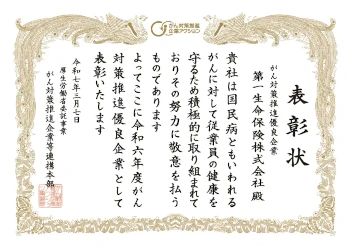
In 2013, our efforts were recognized when we received the Health Bureau Director-General Award at the 2nd “Let's Extend Healthy Life Expectancy!” Awards*1, hosted by the Ministry of Health, Labour and Welfare. In addition, in 2015, 2024 and 2025, we were selected as a “Health & Productivity Stock Selection*2” jointly selected by the Ministry of Economy, Trade and Industry and the Tokyo Stock Exchange, and in 2017-2026 we were selected as a “Outstanding Organizations of KENKO Investment for Health “White 500”*3” for ten consecutive years. In addition, the company has also been consecutively certified as a “Sports Yell Company”*4 by the Sports Agency since 2017, and in 2026 we were certified as a Silver. In addition, it was selected as a “2025 Excellence in Cancer Control Corporate Action” by the “Cancer Control Corporate Action” promoted by the Ministry of Health, Labour and Welfare.
- *1 “Extend your healthy life expectancy! Awards” are presented to companies, organizations, and municipalities that are making outstanding efforts to raise awareness of lifestyle disease prevention and promote health in relation to the Smart Life Project's four themes: “moderate exercise”, “proper diet”, “smoking cessation”, and “health checkups and medical examinations”.
- *2The Ministry of Economy, Trade and Industry and the Tokyo Stock Exchange jointly selected companies that consider the health management of their employees from a managerial perspective and are strategically engaged in it as “health management issues. Health Management” is expected to revitalize organizations by increasing employee vitality and productivity, which in turn will lead to improved business performance and stock price.
- *3“Large-Scale Corporations White 500” are part of the “Excellent Corporations for Health Management” certified by the Ministry of Economy, Trade and Industry, and only the top 500 corporations in the Large-Scale Corporations category are certified.
- *4“Sports Yell Company” is a certification system established by the Sports Agency to support companies that support and promote sports activities to improve the health of their employees.
Contribution to the community and society
Customer seminars (nationwide) Collaboration with local governments and national centers
We collaborate with all six national centers (National Center for Advanced Medical Specialties) in Japan to provide health and medical information through tools and seminars for a wide range of generations, from the three major diseases (cancer, cardiovascular disease, and cerebrovascular disease), diabetes, hepatitis, and infectious diseases, to medical care for pregnancy, childbirth, child rearing, and longevity such as dementia. As of the end of March 2025, we have signed comprehensive cooperation agreements with 44 prefectures and more than 430 municipalities, contributing to the resolution of social issues in communities across Japan.
Health Promotion and Donations
We are engaged in an initiative that utilizes the health promotion app QOLism, through which healthcare points accumulated by employees' wellness activities are donated to the Japanese Red Cross Society.
“Run with You” project to support citizen runners nationwide
By sponsoring marathons that represent the area and providing opportunities to think about health and experience the joy of running with others, we support the realization of “well-being” by enabling citizen runners nationwide and everyone involved to lead affluent and healthy lives.
Enhancing Engagement
In FY2021, Daiichi Life Group and other domestic life insurance companies introduced an engagement survey with the aim of achieving a work environment where each employee proactively contributes to the organization and their work, and can demonstrate their individual capabilities and work in a lively manner. Engagement has been positioned as a key indicator in management and is also included as a sustainability indicator in directors' performance-linked remuneration.
Employees with diverse work environments and working styles coexist within the Group, such as employees working in head office departments, sales representatives active around Japan, and employees stationed overseas. As a result of our efforts to respond in detail to each workplace, the overall engagement score has increased for the four consecutive years since the survey began.
To date, the Group has continually implemented measures for instilling our corporate philosophy, such as expanding investment in human capital and utilizing the sharing of messages from top management following the renewal of the philosophy. We also established the Employee Well-Being Improvement Committee to reflect employee opinions in management. The Committee engages in issues such as instilling the corporate philosophy, optimizing workload, and reinforcing communication within the organization based on the voices of employees.
Going forward, we will strive to realize a working environment in which employees are proud and want to work, utilizing the engagement score as a compass for creating an even better workplace.
Annual Engagement Survey Results
| FY2021 | FY2022 | FY2023 | FY2024 | FY2025 | ||
|---|---|---|---|---|---|---|
| General | Daiichi Life Group | 63 | 64 | 65 | 66.3 | 67.6 |
| Benchmark*1 | 67 | 66 | 66 | 66.9 | 65.9 | |
| Duties | Daiichi Life Group | 61 | 62 | 64 | 64.8 | 65.9 |
| Personal Growth | Daiichi Life Group | 60 | 61 | 63 | 63.7 | 65.2 |
| Health | Daiichi Life Group | 57 | 59 | 60 | 60.7 | 61.0 |
| Support | Daiichi Life Group | 67 | 68 | 69 | 69.8 | 70.7 |
| Relationships | Daiichi Life Group | 70 | 71 | 71 | 71.9 | 72.3 |
| Recognition | Daiichi Life Group | 64 | 65 | 66 | 67.1 | 68.3 |
| Corporate philosophy | Daiichi Life Group | 61 | 61 | 62 | 63.7 | 65.6 |
| Corporate culture | Daiichi Life Group | 62 | 63 | 64 | 65.7 | 67.2 |
| Environment | Daiichi Life Group | 61 | 62 | 63 | 63.9 | 65.3 |
- *1Average score for financial institutions in Japan with over 10,000 employees
- * Survey month and year: February, the final survey month of each fiscal year (January for FY2021 only)
Initiatives to Improve Engagement
Based on employees' voices (opinions to improve the workplace) gathered through the engagement surveys, we are implementing various initiatives from the following three perspectives. We also take measures to respond to the voices, such as feedback from G-CEO.
- Initiatives to raise awareness of and empathy for Philosophy and Code of Conduct
- Leaders messages through communication channels such as videos using a group-wide common platform
- Exchange opinions between the president/executives/organization heads and employees (Town hall meeting)
- Exercise by each organization to raise their employees' engagement to consider specific approaches to individually embody Purpose
- Initiatives to improve the productivity
- Set common productivity improvement targets as personnel goals for all employees
- Review the frequency, timing, and contents of notices, questionnaires, and surveys communicated or performed across the head office departments; avoid conducting these activities simultaneously; reduce the volume of contents
- Go paperless (e.g. use of electronic forms)
- Reduce reporting from the branches to the head office
- Initiatives to revitalize cross-organizational communication
- Mutual exchange between branch offices and headquarters (direct exchange through visits, discussions, etc.)
- Participate in meetings held at branches, etc. by head office departments to achieve mutual understanding between the head office and branches
- Hold various roundtables, etc. (e.g. support for mid-career hires and newly appointed branch managers)
- Enhance the internal job posting programs, such as internal secondary jobs
- Hold events to enhance communication by making use of the renovation of Hibiya/ Toyosu head offices, etc.
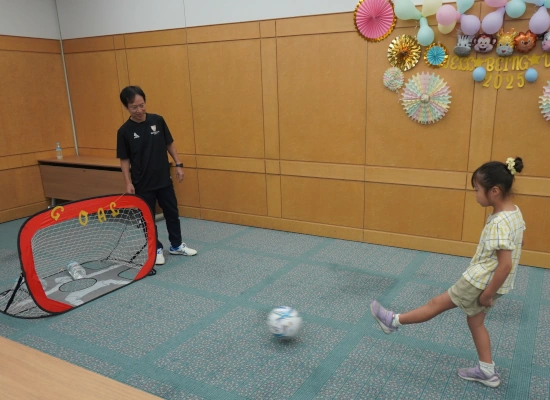
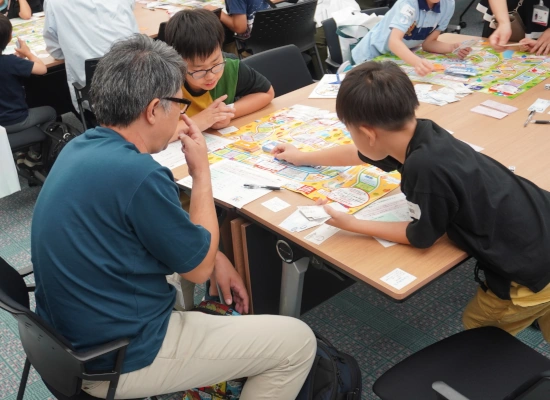
Well-being Day is an annual event for families to see our office and observe how we work. The goal is to deepen their understanding of our company and our work, as well as strenghten family bonds. Through interactions not only among employees but also between families and workplace members, the event fosters mutual understanding, enhances the well-being of both employees and their families, and promotes communication across the organization.
Promoting Flexible Working Styles
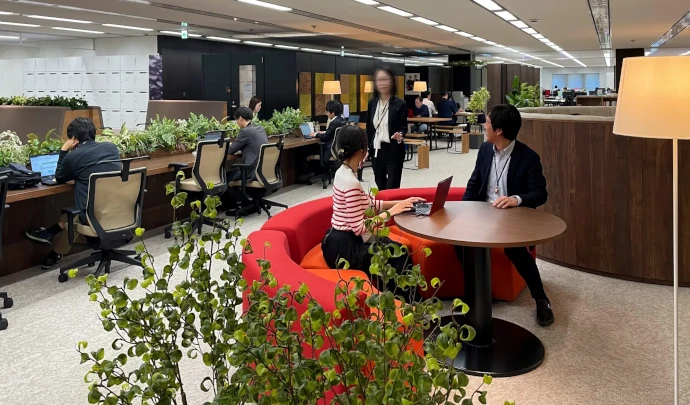
We promote the creation of a workplace environment where employees can fully demonstrate their capabilities and it is easy to continue working in a lively manner. Daiichi Life Group and three other domestic life insurance companies are implementing various initiatives, such as promoting shortened working hours, the taking of annual leave, and early ends to workdays, utilizing telework and flextime systems, and introducing office casual attire. We aim to improve well-being and productivity while accommodating the diverse lifestyles and values of each employee. We are also putting efforts into developing our office environment, and renovated the head office in FY2023.
Reducing total working hours
- Establish end time target (bottom line)
- Promote “Work Smart Day” once a week where employees are encouraged to go home early
- Recommend “Blue Sky Day” at least once a month (start work at 10:00 or end work at 15:00)
- Introduce system for work hour intervals
(11 hours)
Encouraging leave
- Take at least 70% of annual paid leave
- Take annual paid leave of at least one day per month on average as smart leave (ensure employees take annual paid leave of five days per year)
- Use “connect holidays” (connecting paid leave with holidays and weekends)
- QOL improvement leave (leave intended to improve QOL/health, such as to nurse family members, attend school events for children in junior high school and above, go to hospitals for fertility treatment, go to hospitals for menopause treatment, participate in volunteer activities, take health checkups)
- Take paid leave by the hour
- Establish work–life management (WLM) indicators, thereby visualizing each organization's working hours, usage rate of paid leave, and usage rate of telework
- F Leave (Two days a month leave for menstruation-related ailments)
Promoting diverse working styles
- Use telework
- Use flextime or staggered hours
- Permit office casual attire
- Approval for external secondary jobs
- My Career Preparation Leave program (This program enables more flexible career development by allowing employees to take an unpaid leave for a maximum of three years to work on deeper skill acquisition and career advancement. With the intention of returning to work, this can be used for mid to long term infertility treatment as well as other unavoidable family circumstances.)
- *At our company, paid leave—including annual paid leave—is treated as equivalent to a full working day in terms of prescribed working hours, and wages are paid accordingly.
- *Regarding the five days of annual paid leave mandated under Japanese law, we monitor the usage status of all employees throughout the year. When necessary, individual reminders are issued to ensure full compliance with this requirement.
Adoption of full remote work

In April 2022, we adopted a full remote work option for those whose work is limited to a particular region and do not require a move, and for those who cannot commute to work within 90 minutes, such as those living far from offices in Tokyo or Osaka. Under this option, employees are able to perform work for the headquarters in a fully remote fashion, five days a week, from anywhere in Japan. Also, for employees who have chosen short workdays for reasons such as childcare, the elimination of commuting time due to remote work could allow them to choose to move to full time schedules. A flexible work style that does not depend on time or location of residence is driving a diverse range of career options.
Supporting a Balance Between Work and Life Events
Over the course of their career development, employees go through various life events including pregnancy, childbirth, childcare, nursing care, and medical treatment. At Daiichi Life Group and three other domestic life insurance companies we have developed systems that exceed the legal standard, our own unique systems, along with support measures to ensure they can balance these events with their work responsibilities. We aim to create workplace environment where anyone, at any stage of life can continue to work with peace of mind. In particular, as we enter the era of 100-year lifespans, nursing care, which anyone may face, has become a life event. We are reinforcing support for balancing work and nursing care. In addition, we provide employees approaching retirement with informational materials, including videos, to deepen their understanding of social security systems such as pension and health insurance programs. In such an environment, we will steadily promote initiatives in response to employee opinions and changing needs to enable employees to continue utilizing their own personal work style and autonomously developing their career throughout their life stages.
Support from pregnancy to birth
| Prenatal and postnatal leave | 100% paid leave for 6 weeks before and 8 weeks after childbirth |
|---|---|
| Pregnancy-related leave | Up to 5 days per month as paid time for pregnancy related ailments such as morning sickness and hospital visits |
| Leave when spouse gives birth | 3 paid days granted when spouse gives birth |
| Grandchild birth leave | 3 paid days granted upon birth of a grandchild |
Childcare support
| Childcare leave | Until the end of April or end of October, whichever comes first a month after the child turns 1 year and 6 months old; depending on the situation, this can be extended until the child turns 2 years old |
|---|---|
| Childcare time | Up to two 30-minute breaks per day for employees with children under the age of one |
| Child support /Childcare leave | Up to 12 days (paid leave) per fiscal year for nursing care of children's illnesses and other issues, regular vaccinations, health checkups, temporary closure of children's schools, and participation in school events until the child finishes their sixth year of elementary school |
| QOL improvement leave | Paid days off that can be used for nursing care of children's illnesses, participation in school events, and similar reasons for children in junior high school and above |
| Special paid leave for child's infectious Illness | Up to five days of paid special leave per fiscal year when caring for a child (up to the end of elementary school) who has contracted an infectious disease as defined by the School Health and Safety Act, or when the child's class is temporarily closed under the same Act. |
| Reduction of working hours and exemption from overtime | Available until a child graduates elementary school |
| Subsidy | Subsidy for portion of expenses, etc., incurred for each month for using childcare centers, etc. |
| Access to childcare, nursing care, health, and medical treatment services through “Benefit Station” | Employees have access to a range of services related to childcare, nursing care, health, and medical treatment through “Benefit Station”. Points that can be used for these services are granted annually. |
Promoting Male Employees Taking Parental Leave
To encourage male employees to participate in childcare leave, Daiichi Life Group and three other domestic life insurance companies have adopted a target from FY2022 of 100% of male employees taking at least one month of cumulative childcare leave. As a result of various initiatives, we have achieved 100% for four consecutive years. However, promoting longer periods has been difficult due to busy work periods and concerns about burdening on other coworkers. Understanding and support from supervisors and coworkers are essential for creating an environment where employees feel they can safely take their desired amount of leave. To achieve this, we are promoting various initiatives, such as provision of seminars and learning materials and introduction of tools to support dialogues between supervisors and subordinates.
(Four Consecutive Years)
- *FY2025
- *FY2025
Support for men participating in childcare
- Up to 20 days paid leave are granted for each child when taking childcare leave
- Held “Fatherhood Training Program” for male employees and their partners
- Held “Ikuboss seminars” for management-level employees
- Shared stories of male employee's experiences of childcare leave on the company intranet
Nursing care support
| Nursing care leave | A total of 730 days from the start date of each person requiring care |
|---|---|
| Nursing care support leave | Up to 12 days (paid leave) per fiscal year to accompany hospital visits or care for a person in need of care |
| Exemption from overtime | Exemption from overtime and other extensions to working time for each person requiring care, applicable for a period up to the end of the month in which nursing care has terminated |
| Reduced work hours | Up to 1,095 days (spanning three years) for each person requiring care |
| QOL improvement leave | For nursing care of family and relatives |
| Providing opportunities to access information and consultation on caregiving | 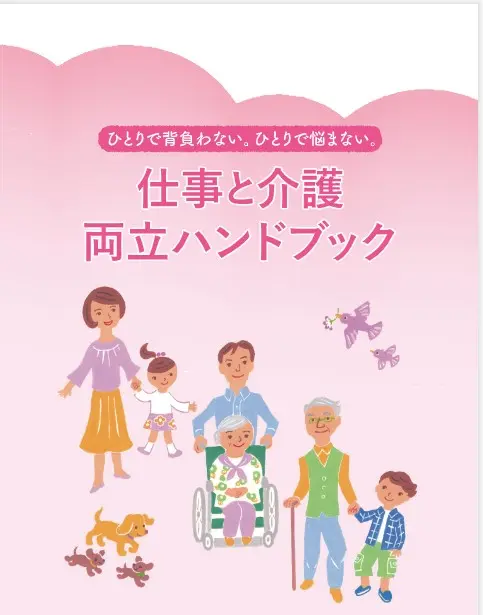
|
Medical treatment support
| Medical leave | Determined according to years of service |
|---|---|
| QOL improvement leave My career preparation leave | For fertility treatment; QOL improvement leave can also be used for menopause treatment |
| Seminar on infertility treatments | 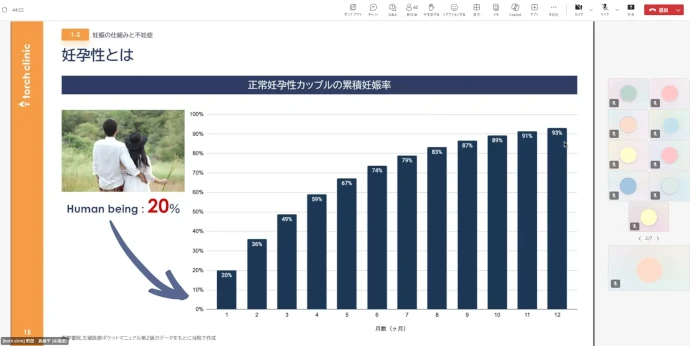 We provide opportunities for employees to reflect on their life plans and careers by inviting medical specialists to speak about the basics of fertility treatment, how to balance treatment with work, and available life planning options. |
Other support measures
| Family transfer system | Transfer system due to family reasons for employees in a job category with geographical flexibility |
|---|---|
| Leave to accompany spouse secondment abroad | Up to three years unpaid leave when accompanying a spouse's international secondment |
| Work-life support system handbook | 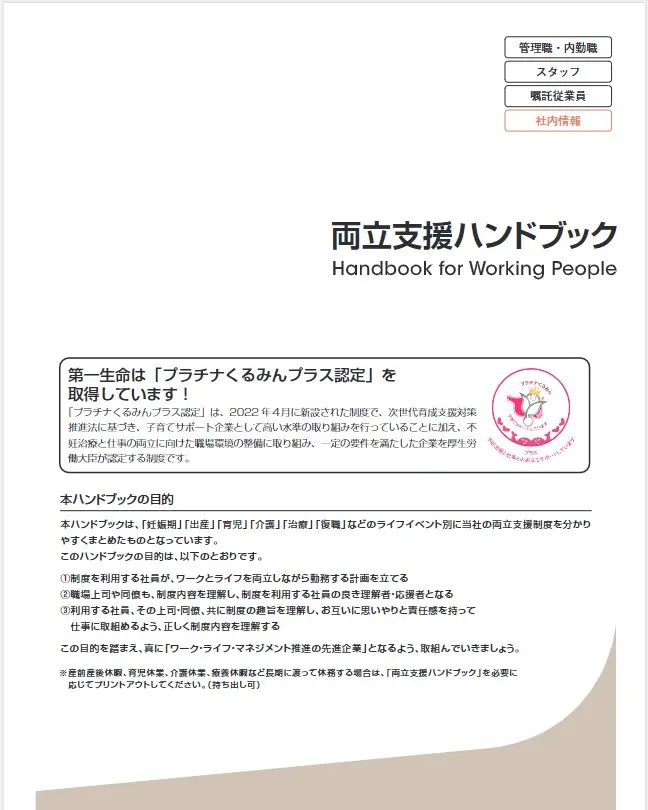 A handbook that summarizes contents and application procedures for balancing work-life events such as childcare, caregiving, and infertility treatments |
| Work-Life balance support hotline | An internal consultation desk available for addressing concerns and uncertainties regarding the use of systems aimed at supporting work-life balance. |
Allowance for Employees Supporting Colleagues on Maternity, Childcare, and Care Leave
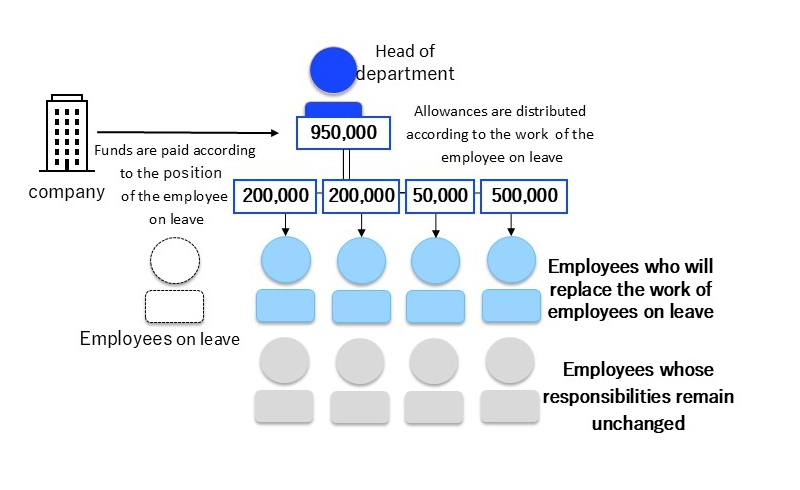
In order to reduce the psychological burden caused by the increased workload on colleagues during long-term leave and the difficulty of taking leave for such reasons, and to create an environment where it is easier to take leave related to life events, we introduced a system in October 2025 that provides a one-time allowance to employees who substitute for those on leave. Specifically, employees who support the work of colleagues taking maternity leave (before and after childbirth), childcare leave, or nursing care leave for a continuous period of three months or more receive an allowance based on the workload involved.
Early Comeback Support Plan

From October 2025, we have introduced a program that provides financial support for childcare to employees who return to work early from long-term leave related to childbirth and childcare. For employees who wish to return early despite having young children, motivated by their career aspirations, this support helps them work with greater peace of mind. Additionally, the early return of experienced employees helps reduce the workload on those who have been covering for them during their absence.
Specifically, the support includes providing points for a certain period that can be used for childcare-related services and housekeeping assistance through Benefit Station, as well as for purchasing childcare-related products at physical stores. Through such support, we aim to make it easier for each employees to pursue their desired career, thereby further promoting women in the workplace.
Welfare | Benefit Station
Benefit One Inc. (Benefit One), which joined the Group in 2024, aims to provide more than 1.4 million one-stop services at a reasonable price as a welfare platform and be a life infrastructure for salaried employees working at companies and local governments, under the corporate philosophy of “contributing to the enrichment of people's lives and the development of society through the distribution and creation of services with the aim of creating new value that connects people and businesses.” Since the Group also proposes welfare programs centered on life insurance to corporate customers, the Group's business has a high level of compatibility with Benefit One's business.
Additionally, maximizing the synergies between the two companies will be the key to transforming ourselves into an “insurance-related service provider”.
In welcoming Benefit One to the Group, we introduced Benefit Station, which is the core service of Benefit One, to all employees including Sales Representatives, as it is important for each employee to understand Benefit One's services and Benefit Station will contribute to the further enhancement of the welfare programs.
Registration rate
- *As of July 2025
- Features
- Discount benefits that can only be provided by the largest company in the industry
- Available to second-degree relatives
- Can be used nationwide
- Can access to the call center when there is a trouble
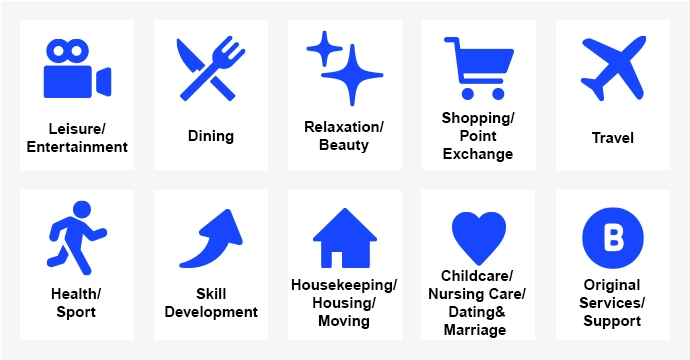
Trade Union
The Daiichi Life Insurance Labour Union employs a union shop system whereby both in-house staff and sales representatives are union members. The percentage of employees who meet the criteria for union membership is 91.1% * as of April 2026.
The management and the labor union hold regular discussions on topics such as working styles, employment conditions, employee benefits, employee health promotion, and occupational health and safety, engaging in active dialogue to promote a more fulfilling and positive work environment where employees find meaning and motivation in their work.
Furthermore, the collective labor agreement concluded with the union includes provisions relating to occupational health and safety. In addition, the company is required to consult with the Joint Management Council and its subcommittees in advance regarding key policies related to company and branch office management. This prior consultation also applies in cases involving organizational or office restructuring that entails large-scale personnel reassignment, such as the consolidation or closure of branch offices.
- *Total for Daiichi Life Group,Daiichi Life Insurance,Daiichi Frontier Life Insurance,and Daiichi Neo Life Insurance.
Promoting Women's Active Contribution
Daiichi Life Group, Inc. and three other domestic life insurance companies place importance on diversity at the decision-making level and we have made promoting empowerment of women a priority material issue within Japan. While many of domestic Group employees are women, the number of male employees in management is still high. Correcting this balance is a necessary step for sustainable growth. Accordingly, we have adopted a target in which executives and organization heads in Japan comprise 30% women by April 2030 and are rolling out various initiatives to achieve this.
We are promoting active contribution by top management and increasing their commitment through measures such as advancing discussions aimed at women's active contribution under the Human Resources Committee creating opportunities for dialogues through Top Leadership Development, sharing messages on our intranet, participating in in-house International Women's Day events, and taking part in planning external groups and initiatives. In addition to these efforts, we appoint female employees as non-executive directors of Group companies with the aim of helping them develop a management perspective and promoting greater diversity within the management teams of Group companies. In fiscal 2025, a total of 10 appointments were made across 8 companies.
Statistics showing the increasing number of women in management roles (As of April,2026)
- *1Total for Daiichi Life Group, Inc.,Daiichi Life Insurance, Daiichi Frontier Life Insurance, Daiichi Neo Life Insurance
- *2Total of line managers and line manager-level positions, who are the heads of organizations among the managerial staff of Daiichi Life Group, Inc., Daiichi Life Insurance, Daiichi Frontier Life Insurance, Daiichi Neo Life Insurance
- *3Total number of directors, auditors, executive officers and specialist officers of Daiichi Life Group, Inc. and Daiichi Life Insurance
Specific Initiatives
Leader development
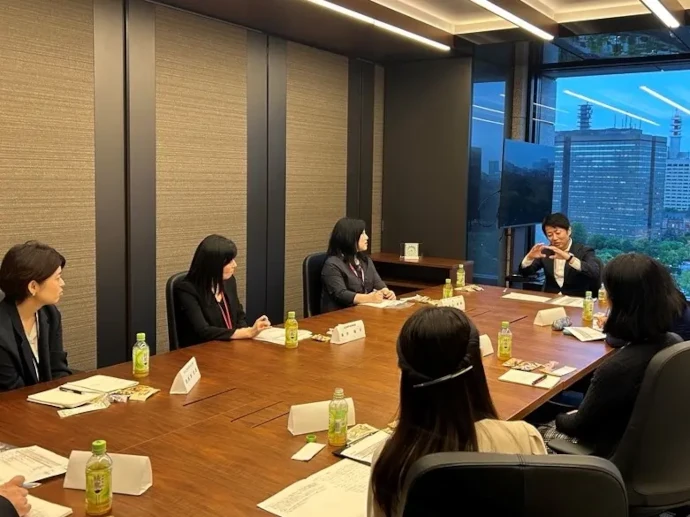
With the involvement of the management team, we implement internal and external training assignments and provide training programs aimed at raising awareness and enhancing skills.
- Succession plans
System wherein women are selected as 30% of candidates for management posts in each department
- Top Leadership Development
Development of female leaders by top management
- “Cross 1-for-1 session” program with executives
Implement 1-for-1 sessions with candidates in departments executives do not usually have contact with as an opportunity to observe and nurture a candidate themselves
- External training
Form networks with employees of other companies in various industries and take on opportunities for mutual study
- Joint training with other companies
Management leader development with members of other companies with the aim of widening viewpoints and changing behavior
Career support
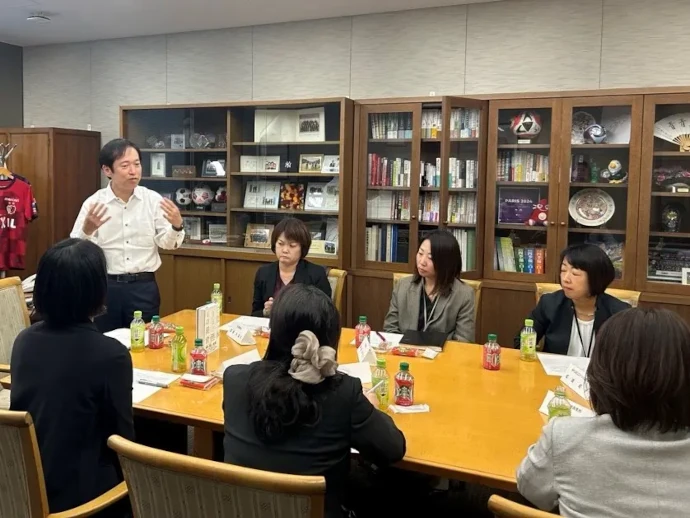
By creating opportunities for young women to jumpstart their career development, the company can secure potential candidates for management roles.
- Career development training
Training for proactive skill development aimed at female employees around 30 years old
- External mentoring
Support career development through dialogues with external female leaders
- Career roundtables
Thematic career roundtables to create a forward-looking career plan and provision of opportunities to form networks
- Exchanges with role models
Lectures and roundtables with female executives, managers, and other women in top positions as role models
- Information provision, such as seminars
Support continuous education by providing information, such as through external seminars
Reducing the Gender Pay Gap
The Group treats its employees based on individual performance and growth, and wages within the same job category do not reflect attributes such as gender, nationality, and age. We recognize that the following three points are the main causes of widening gender pay gaps. In particular, we have positioned the third point as a management issue. We are working to promote the appointment of women at Daiichi Life Group, Inc. and three other domestic life insurance companies through various initiatives mentioned on the previous page.
Main causes of gender pay gaps
- 1At Daiichi Life Insurance, a significant portion of the workforce consists of sales representatives, among whom many are women, further among whom many have joined the company recently . As a result, it often takes several years for their salaries to increase
- 2Diverse work styles are embraced, and among employees who choose a job category with limited placement or scope of work, many are women
- 3While the company is progressing in the promotion of women in Japan ,a high proportion of management positions which have relatively high salaries is still held by men
Status of Gender Pay Gaps
| All employees | Full-time employees | Part-time and fixed-term employees | |
|---|---|---|---|
| 6 domestic companies in total | 45.6% | 47.0% | 35.2% |
| Daiichi Life Group, Inc. | 58.6% | 61.8% | 16.7% |
| Daiichi Life Insurance | 45.1% | 46.3% | 41.1% |
| Daiichi Frontier Life Insurance | 61.5% | 61.9% | - |
| Daiichi Neo Life Insurance | 56.6% | 57.3% | 52.6% |
| Daiichi ipet Insurance | 56.4% | 55.9% | 135.7% |
| Benefit One | 60.1% | 65.8% | 47.0% |
- *Calculated for fiscal 2025 as average annual wage for women / average annual wage for men * 100%. Average annual wage is calculated as total wage / number of employees.
Promotion of Employees with Disabilities
The Group actively employs people with disabilities in Japan with the aim of realizing a society where people both with and without disabilities can feel mutual respect as members of society and live together in communities supporting each other. Currently, the Group employs approximately 1,000 such employees across Japan who play an active part in diverse workplaces. We continue to promote the development of a working environment that enables all employees to work with peace of mind. This includes implementing awareness raising training for all domestic employees to increase the understanding of people with disabilities and establishing a hotline to deal with individual consultations by employees with disabilities.
Initiatives of Daiichi Life Challenged Co., Ltd.
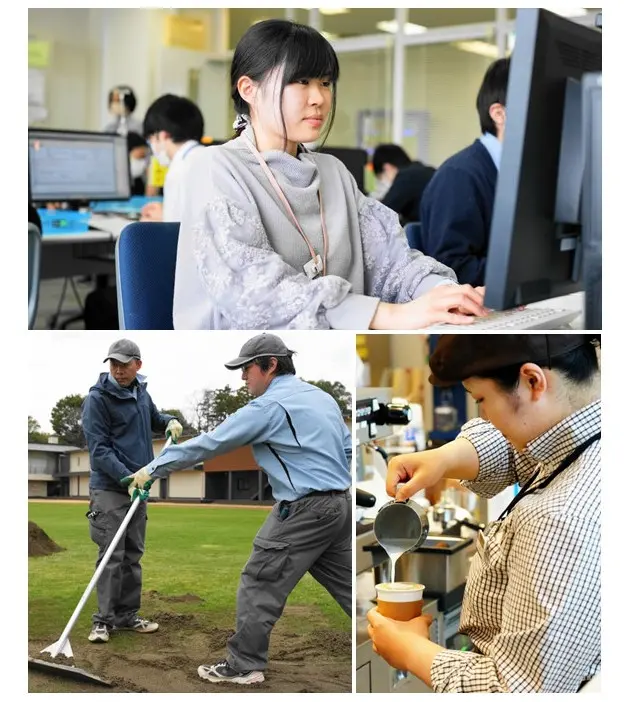
Daiichi Life Challenged Co., Ltd. was established in August 2006 as Daiichi Life Insurance's special subsidiary. Having started its operation with ten employees, Daiichi Life Challenged Co., Ltd. has been hiring mainly people with intellectual and mental disabilities. Currently, approximately 500 employees work at various places in ten locations across Japan. In addition to supporting various insurance-related administrative duties, the activities in which employees engage are expanding year on year to include printing, cleaning and maintenance, and barista work. Engaging in new duties on a daily basis encourages employee motivation and growth. A stance of mutual respect and support also becomes the foundation for nurturing a rich sense of humanity and sociability. If each employee complements each other's strengths and weaknesses we can create an environment where they can each feel stable and demonstrate their abilities.
LGBTQ Friendly
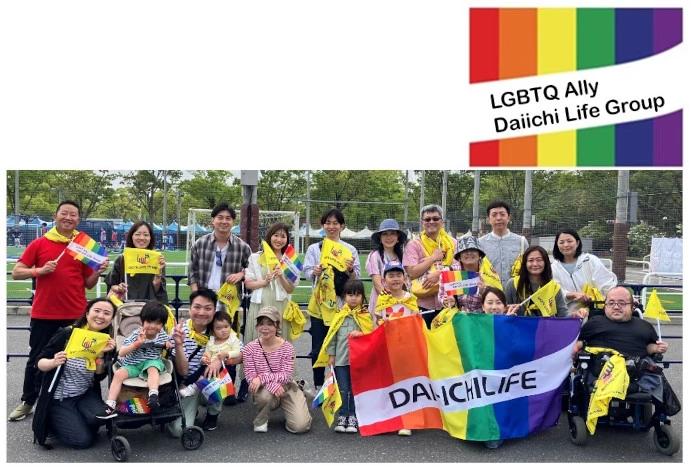
Daiichi Life Group clearly expresses its respect for basic human rights in the Daiichi Life Group Human Rights Declaration.
In our domestic operations, we also promote initiatives to become an LGBTQ-friendly company, such as conducting training and seminars to raise employee awareness, and expanding the applicability of leave policies and company housing systems.
Specific initiatives
| Insurance Beneficiary | If a policyholder wishes to designate a same-sex partner as a policy beneficiary, the designation procedures are easier to follow so long as the policyholder submits a copy of the certification issued under the partnership oath system of local governments. |
|---|
| Formulation of LGBTQ policy | In the policies (including the Code of Conduct) that employees are to follow, it explicitly states not to discriminate against others because of their sexual orientation or gender identity. |
|---|---|
| Establishment of consultation desk | Daiichi Life Group, Inc. has established a system consisting of a consultation desk to respond to individual cases of consultation concerning LGBTQ issues. |
| Full provision of information |
|
| Extended application of leave system | In the Leave system for marriage, childbirth, etc., persons eligible for the system in principle now include the same-sex partners of employees in the same manner in which spouses are, based on objective materials, etc. |
| Extended application of use of company housing | In the standards for granting the use of company housing, same-sex partners in principle shall be considered family members, based on objective materials, etc. |
Initiatives to Foster a Culture that Respects Diversity
Daiichi Life Group WOMAN's Day
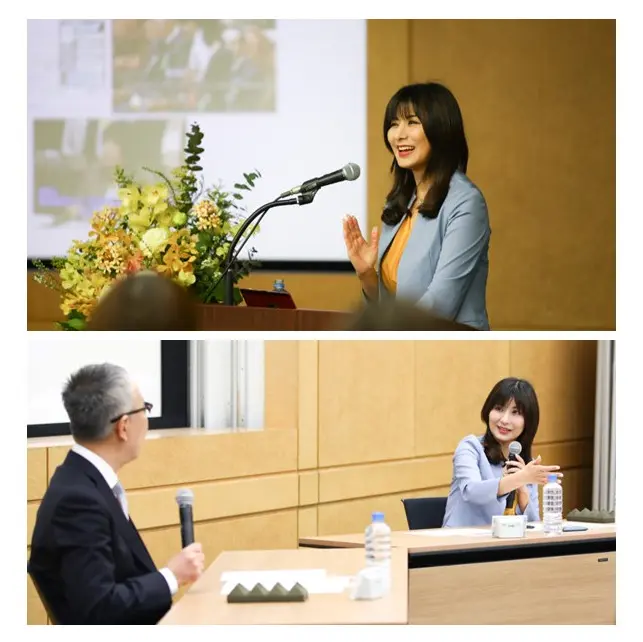
As a domestic initiative, we have been holding Daiichi Life Group WOMAN's Day since fiscal 2023, in conjunction with International Women's Day and Women's Health Week.
Last year, G-CEO Kikuta delivered a message highlighting the importance of empowering diverse talent. Guest speaker Ms. Makiko Shinoda (Yell Company, Limited) gave a presentation on the factors driving the growing emphasis on women's active contribution and the importance of career autonomy.
In addition, a talk session was held with a female executive of Daiichi Life Group, where participants exchanged views on career development and work styles. The speakers also shared their experiences in balancing work and family responsibilities, providing participants with an opportunity to reflect on their own approaches to work.
External Recognition and Awards
Our past initiatives have been recognized and received high praise from external organizations.
Refer to the Human Capital Report for details